
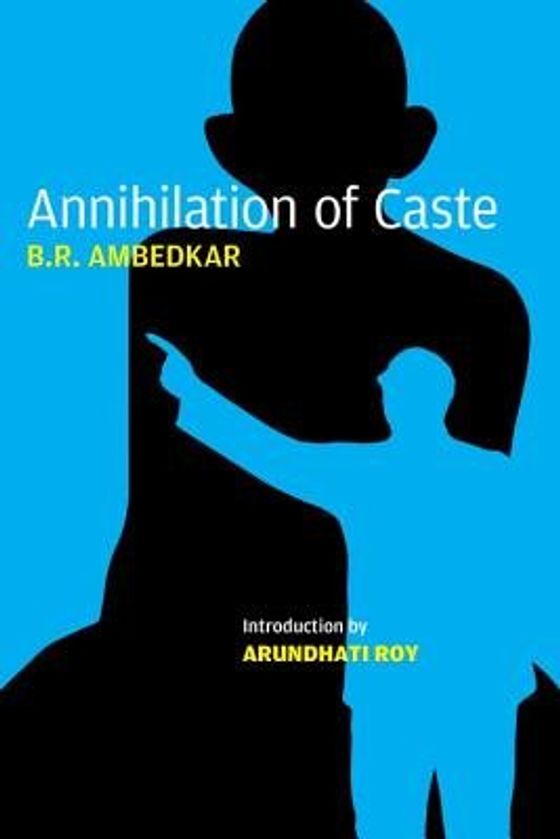
Annihilation of Caste
by BR Ambedkar
The speech so radical they cancelled the conference.
For you if
you want to understand caste as a system of structural violence rather than a cultural tradition
⚡ Choose Your Route ⚡
Not sold directly on this site. Support indie bookstores with a new copy, or go sustainable with a used one.
Buy New on Bookshop.orgSupports independent bookstores
— OR —
Find Used on Better World BooksSecondhand & sustainable
$30 MSRP
Reference price shown. Other editions may be available.
In 1936 Ambedkar was invited to address a caste reform conference in Lahore. When the organizers read his prepared speech they cancelled the event — it was too radical. Ambedkar published it himself. This is that speech: the most searing critique of the Hindu caste system ever written by someone who lived at the bottom of it. Ambedkar — a Dalit who became one of India's greatest legal minds and the principal architect of its constitution — argues that caste cannot be reformed, only annihilated, and that Hinduism as practiced is incompatible with human dignity. The most important Indian political text almost nobody in the West has read.
Where This Book Lives
- Setting
- India • South Asia
- Voice
- Written by a Indian author
Related Viewing
Shares a topic, theme, or setting with this book in the catalog.

Origin(2023)
dir. Ava DuVernay
Racism is the symptom. Caste is the disease.
While grappling with personal loss, Pulitzer-winning writer Isabel Wilkerson traces a hidden architecture connecting racial hierarchy in America, the caste system in India, and the machinery of Nazi Germany. Adapted from Wilkerson's book Caste: The Origins of Our Discontents.
Why it’s here: Punk in daring to name America's racial order as a caste system, kin to India's and Nazi Germany's, rather than a uniquely American aberration. Pedagogical in dramatizing how a writer's own grief becomes the engine of rigorous, world-spanning research.

The White Tiger(2021)
dir. Ramin Bahrani
The rooster coop only holds you if you believe in it.
A poor village driver in modern India schemes and claws his way out of servitude to a wealthy family, narrating his own rise with a wit that never quite lets you cheer for him cleanly. Adapted from Aravind Adiga's Booker Prize-winning novel.
Why it’s here: Punk in refusing to make its narrator's rise redemptive — Balram escapes servitude through the same corruption that trapped him, and the film doesn't pretend that's a clean victory. Pedagogical in naming the psychological mechanisms — the "rooster coop" — that keep servants complicit in their own subjugation.
Same event, different angle
The same history — told by someone who saw it differently.
Hind Swaraj
Mahatma Gandhi
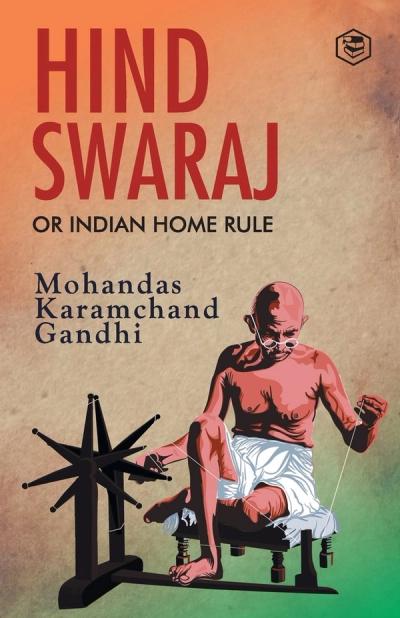
Gandhi argues that modern civilization itself is the problem.
✦ READ – REFLECT → RESIST
Midnight's Children
Salman Rushdie
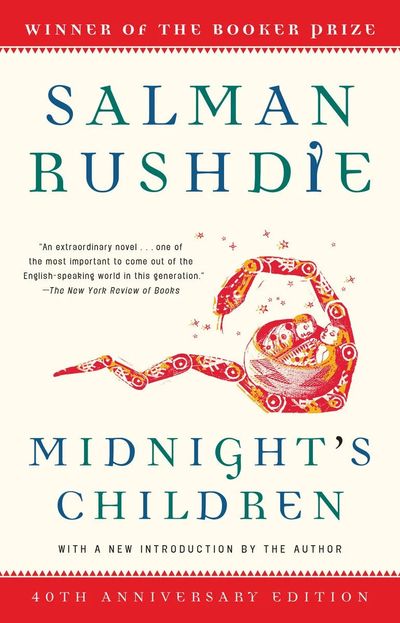
Born at midnight on independence day. Handcuffed to history.
✦ READ – REFLECT → RESIST
The God of Small Things
Arundhati Roy
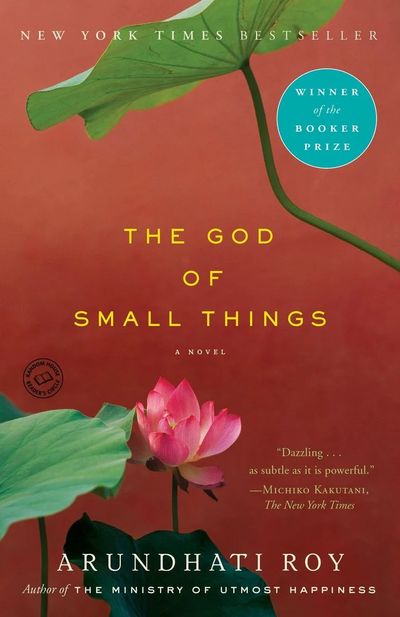
In Kerala, the wrong people love each other. Everything breaks.
✦ READ – REFLECT → RESIST
Ants Among Elephants
Sujatha Gidla
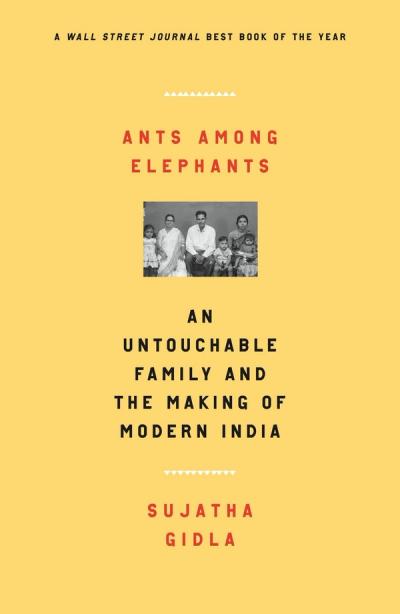
An untouchable family. Christianity didn't help. Communism didn't either.
✦ READ – REFLECT → RESIST
Flip the lens
Same country. Now hear it from the other side.
Behind the Beautiful Forevers
Katherine Boo
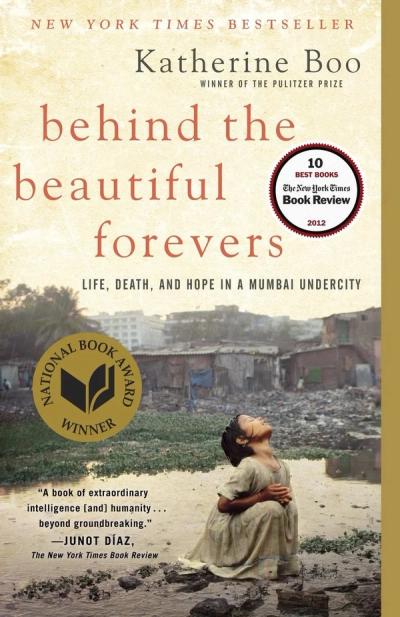
A Mumbai slum in the shadow of luxury hotels. Three years inside.
✦ READ – REFLECT → RESIST
Sold
Patricia McCormick

How trafficking actually works. In verse.
✦ READ – REFLECT → RESIST
Caste
Isabel Wilkerson

India, America, Nazi Germany. Three caste systems. One logic.
✦ READ – REFLECT → RESIST