
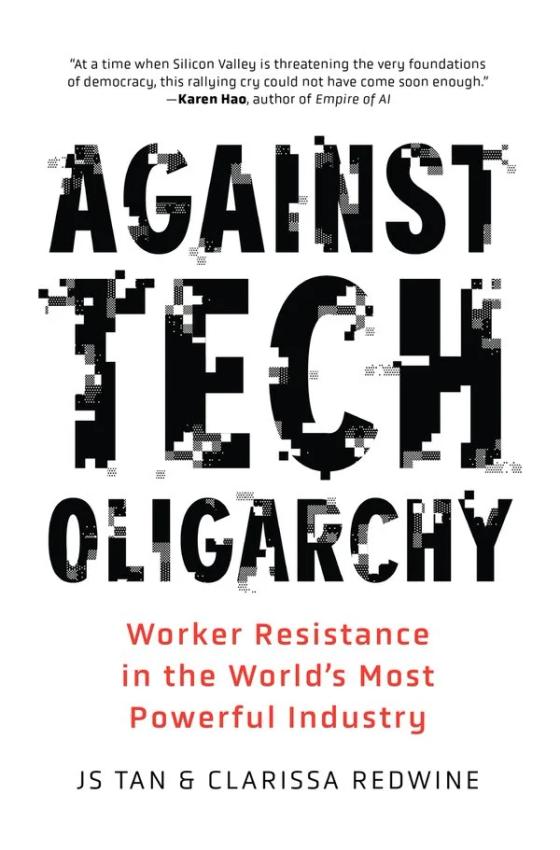
Against Tech Oligarchy: Worker Resistance in the World's Most Powerful Industry
by JS Tan and Clarissa Redwine
How Silicon Valley became a ruling class.
For you if
you're furious at the tech bros in power and want to understand how they got there
⚡ Choose Your Route ⚡
Not sold directly on this site. Support indie bookstores with a new copy, or go sustainable with a used one.
Buy New on Bookshop.orgSupports independent bookstores
— OR —
Find Used on Better World BooksSecondhand & sustainable
$28 MSRP · Hardcover
Reference price shown. Other editions may be available.
The tech industry spent decades telling us it was building the future — turns out it was mostly building a class. Against Tech Oligarchy traces how a remarkable wave of worker resistance rose inside Silicon Valley after 2016, as tens of thousands of engineers and designers protested anti-immigrant policies, refused military contracts, and built the first tech unions. Then it shows exactly how the billionaires fought back: mass layoffs, loyalty purges, and a deliberate embrace of Trumpism that turned disruption into a ruling-class politics. This is the story of how Big Tech became oligarchy — and of the workers who saw it coming and organized anyway. It's the framework for understanding the world you're reading the news in every morning.
Where This Book Lives
- Topics
- america first movement
This is exactly the book for the moment after you've rage-quit Twitter and installed Signal and started wondering who exactly is steering the ship. Tan and Redwine are not outside observers — they were in the rooms where tech workers tried to organize, and they bring that specificity to every chapter. Published September 2026 right as the tech-oligarchy story is hitting full steam, this is the rigorous inside account we've needed.
Related Viewing
Shares a topic, theme, or setting with this book in the catalog.
American Factory(2019)
dir. Steven Bognar & Julia Reichert
No villain speech. Just what actually happens.
A Chinese-owned auto-glass plant reopens a shuttered Ohio GM factory, and cultural and labor tensions surface as American and Chinese workers try to build something together.
Why it’s here: Refuses the easy version of this story — nobody here is simply the hero or the problem, Chinese management included. The first film the Obamas' production company ever released, and it earns that distinction by trusting the footage over a thesis.
Harlan County, U.S.A.(1976)
dir. Barbara Kopple
Shot from inside the picket line, not above it.
Cinema-verité account of a 13-month Kentucky coal miners' strike against Eastover Mining, filmed from inside the picket line as violence escalates on both sides.
Why it’s here: No talking-head remove — Kopple lived with the strikers for over a year, and the film's authority comes from proximity, not narration. A founding text for what labor documentary can look like when the filmmaker picks a side and stays there.
Same event, different angle
The same history — told by someone who saw it differently.

Same pattern, different era
Different time, different place. The same thing keeps happening.
Moderation
Elaine Castillo

She moderates everything. Then she can't moderate herself.
✦ READ – REFLECT → RESIST
Enshittification: Why Everything Suddenly Got Worse and What to Do About It
Cory Doctorow

Why your favorite app got worse on purpose.
✦ READ – REFLECT → RESIST
The Nerd Reich: Silicon Valley Fascism and the War on Democracy
Gil Durán
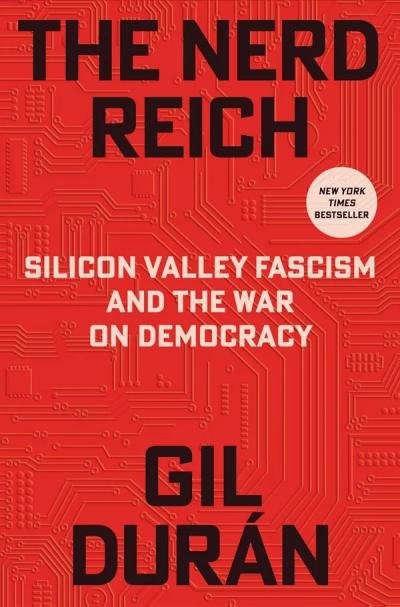
The tech billionaires dismantling democracy.
✦ READ – REFLECT → RESIST