The Most Banned Book in America Is About a Girl Who Was Sold
PEN America's new count: Sold, a novel built on trafficking survivors' testimony, was banned in 25 school districts, more than any other book. The stated reason is explicitness.
Chrissie Muggeridge · October 7, 2026
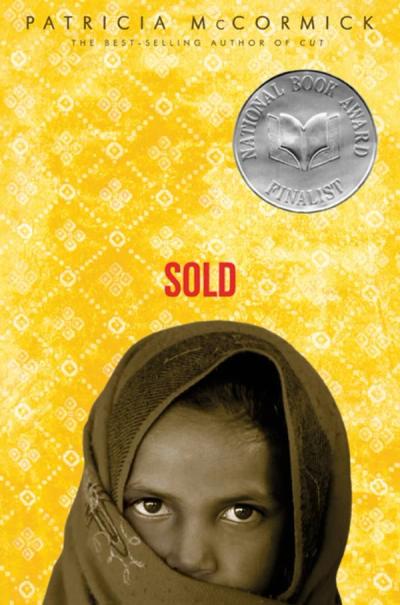
The most banned book in America this year is a novel about a thirteen-year-old girl who is sold.
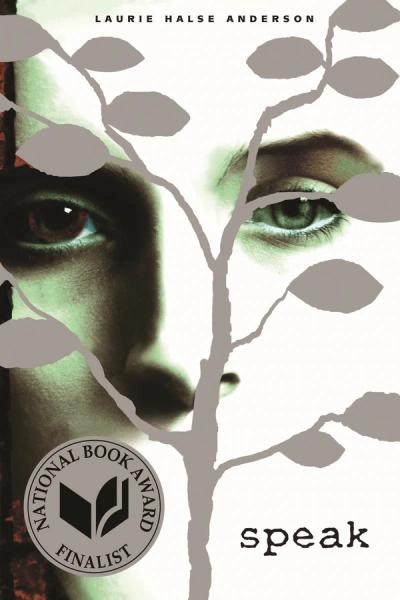
That's PEN America's finding, released this week for Banned Books Week. Across the 2025–26 school year, Sold was banned in 25 districts. Speak was second, with 23. In total PEN counted 11,982 bans, the most since it began tracking, and Texas passed Florida for the first time in four years after a new state law and AI-assisted screening.
What happened
Sold is Patricia McCormick's 2006 novel, a National Book Award finalist. It follows a girl from Nepal who is sold into sexual slavery. McCormick built it from interviews with young women who lived it.
In 2023, PEN reported it banned in at least 11 districts across six states, and the most banned book in Florida. It has now more than doubled that. Parents challenging it call it too graphic, and some call it pornography.
The real reason
McCormick's answer to the pornography charge is two words: it's rape. She says the book gives young readers the words to describe assault, so a friend or a teacher can help. And she has said that the women she interviewed told their stories so the world would know. Calling their accounts pornographic, in her view, disrespects them.
I can't tell you what's in the heart of any one board member. Here is what the record supports. The stated reason treats describing a thing as the same as endorsing it. Everything else about the book points the other way. A story told from inside the abuse, in a child's own voice, is the opposite of the genre the objection invokes.
There's a legitimate question inside this. When is a book too much for a twelve-year-old? A parent can answer that for their own kid. A ban answers it for everyone else's.
And the machinery is getting less human. PEN reports AI being used to find books to pull, sometimes recommending titles already removed elsewhere. A system like that doesn't read the book. It reads a word. In Sold, the thing a screen would flag is the thing the book exists to tell you.
Why it survives
McCormick has said the bans haven't helped her sales, so don't assume the Streisand effect will rescue it. What keeps Sold alive is the argument inside it: that a girl who is silenced is easier to sell. The book is a witness statement, and the people removing it are the audience it was written for.
Sold wasn't pulled for lying about trafficking. It was pulled for telling it plainly.
The Book