Banned: Proof the Books Worked
They're banned because they worked. Read them anyway.
Banned Books Week is when we celebrate the books they tried to remove — but here's the question the week rarely asks: why? Not which books are on the list, but what exactly they threatened. Not who filed the complaint, but what the filing tells you about how power works. Because books don't get banned for being bad. They get banned for being right, for being too specific, for documenting something power needs you to forget or doubt or not feel. The banning is proof of the work.
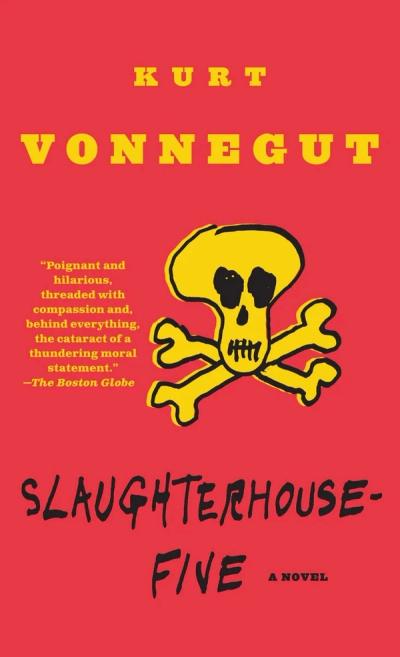
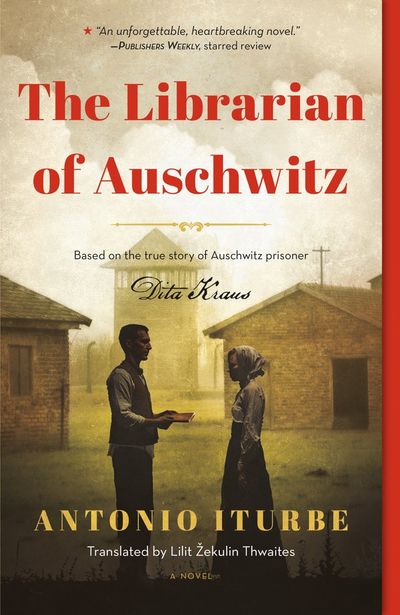
Richard Ovenden's Burning the Books opens the arc not with a banned title but with the machinery beneath them: how governments, corporations, and ideologues have systematically targeted libraries and archives throughout history — not out of outrage, but out of calculation. They understood what recorded knowledge does to power, and they reached for fire accordingly. Then Maya Angelou's I Know Why the Caged Bird Sings puts you inside the cost: a Black girl in Jim Crow Arkansas writes her childhood into existence with such precision that school boards still fight to keep her off shelves fifty years later. The gap between her survival and their objections is the fissure. Kurt Vonnegut's Slaughterhouse-Five turns the whole thing sideways — one of America's most frequently banned novels, written by a man who survived the firebombing of Dresden and chose dark comedy as his language. When you ban a book for being anti-war after the Second World War, you've made his argument for him. And then Antonio Iturbe's The Librarian of Auschwitz — based on the true story of Dita Kraus — lands the arc in action: a fourteen-year-old girl secretly maintains a library of eight stolen books in a concentration camp because she understands, precisely, what the act of maintaining them means.
The books they ban are the ones they were afraid you'd trust more than them.
SEE THROUGH IT
Burning the Books: A History of Knowledge Under Attack
Richard Ovenden
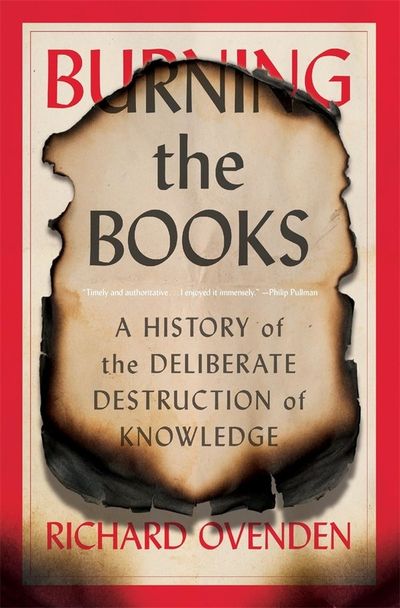
Knowledge was always the target.
✦ READ – REFLECT → RESIST
FEEL THE FISSURE
I Know Why the Caged Bird Sings
Maya Angelou
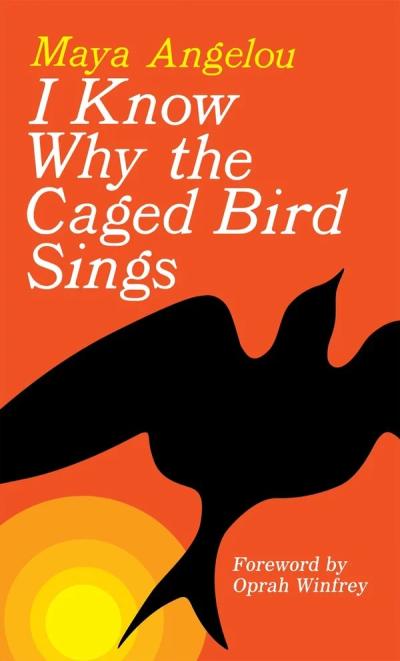
She wrote herself alive. They tried to erase it.
✦ READ – REFLECT → RESIST
Raise the Future
Department of Childish Revolution
For the adults raising the future:
Read It Anyway
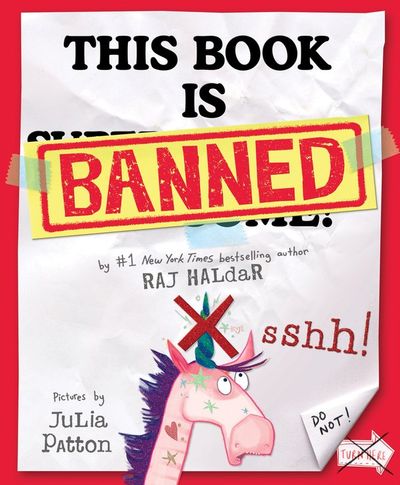
Every banned book comes with a question kids should be asking: who decided this was too dangerous, and what were they scared you'd think? These four books — one funny, one haunting, one quiet, one loud — all ended up on challenge lists for the same reason: they told the truth, and somebody powerful found that inconvenient. DoCR puts them in kids' hands so they can start making the connection between what gets hidden and who benefits from the hiding. Raise a reader who asks why.
Reading rebellion starts here.
→ Explore the DoCR Collection