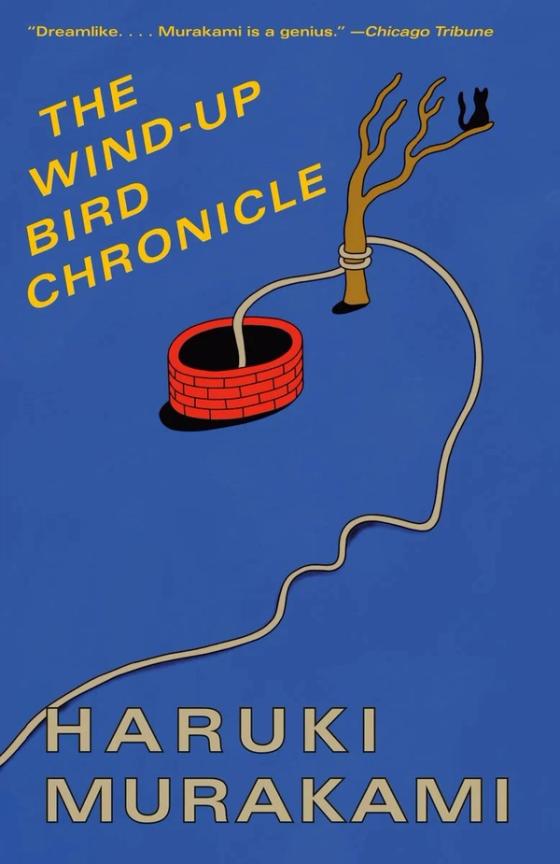
The Wind-Up Bird Chronicle
by Haruki Murakami
A missing cat. A missing wife. Japan's buried history.
For you if
you want to understand Japan's relationship with its own wartime history through a novel that refuses to let it stay buried
⚡ Choose Your Route ⚡
Not sold directly on this site. Support indie bookstores with a new copy, or go sustainable with a used one.
Buy New on Bookshop.orgSupports independent bookstores
— OR —
Find Used on Better World BooksSecondhand & sustainable
$21 MSRP
Reference price shown. Other editions may be available.
Toru Okada's cat goes missing. Then his wife disappears. Then he finds himself at the bottom of a dry well, and the novel opens into Japan's forgotten history — the violence of the Manchurian occupation, the atrocities committed by the Imperial Army, the way a nation buries its worst acts under layers of normalcy and forgetfulness. Murakami uses surrealism to dispatch from inside Japan's unresolved relationship with its own 20th century — the things that happened that the postwar economic miracle was designed to cover over. His most politically serious novel and his best.
Where This Book Lives
- Setting
- Japan • East Asia
- Voice
- Written by a Japanese author
Related Viewing
Shares a topic, theme, or setting with this book in the catalog.
Origin(2023)
dir. Ava DuVernay
Racism is the symptom. Caste is the disease.
While grappling with personal loss, Pulitzer-winning writer Isabel Wilkerson traces a hidden architecture connecting racial hierarchy in America, the caste system in India, and the machinery of Nazi Germany. Adapted from Wilkerson's book Caste: The Origins of Our Discontents.
Why it’s here: Punk in daring to name America's racial order as a caste system, kin to India's and Nazi Germany's, rather than a uniquely American aberration. Pedagogical in dramatizing how a writer's own grief becomes the engine of rigorous, world-spanning research.
Silence(2016)
dir. Martin Scorsese
What does God's silence sound like?
Two 17th-century Portuguese Jesuit priests travel to Japan to find their missing mentor and continue his mission, only to be captured amid a brutal state campaign to eradicate Christianity. Adapted from Shusaku Endo's novel.
Why it’s here: Punk in staying inside the missionary's doubt rather than resolving it — apostasy here isn't simple failure, it's a real moral question the film refuses to answer for you. Pedagogical in showing how colonial-era evangelism collided with a society determined to survive it, at real human cost on both sides.
Same event, different angle
The same history — told by someone who saw it differently.
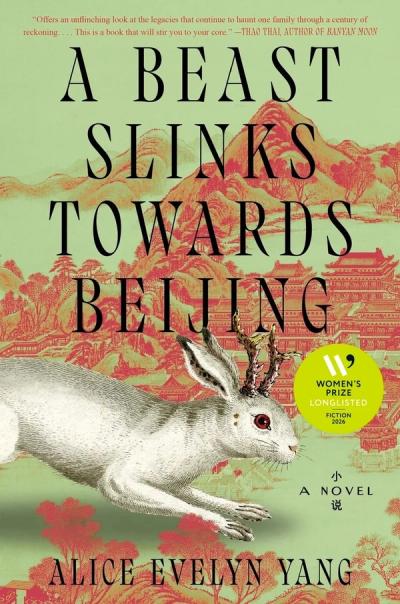
Same pattern, different era
Different time, different place. The same thing keeps happening.
Fellini on Fellini
Federico Fellini

The dreamer’s confessions.
✦ READ – REFLECT → RESIST
The Book of Embraces
Eduardo Galeano
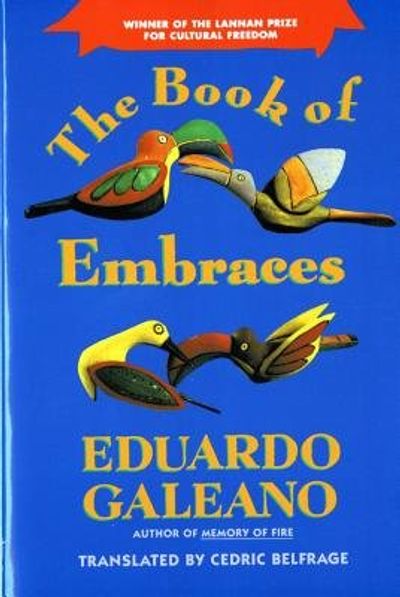
A thousand small truths told sideways.
✦ READ – REFLECT → RESIST
Country of My Skull
Antjie Krog
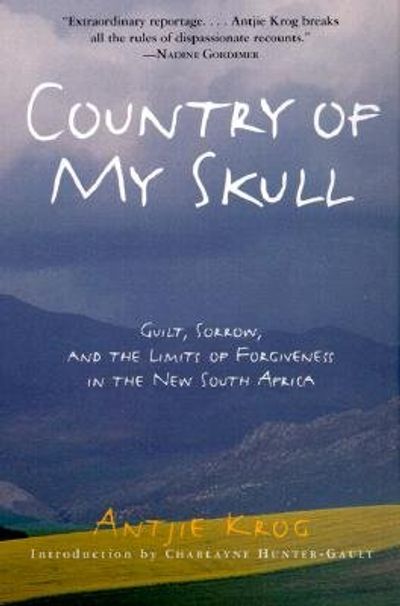
Truth and Reconciliation, from inside the room.
✦ READ – REFLECT → RESIST
Everything is Illuminated
Jonathan Safran Foer
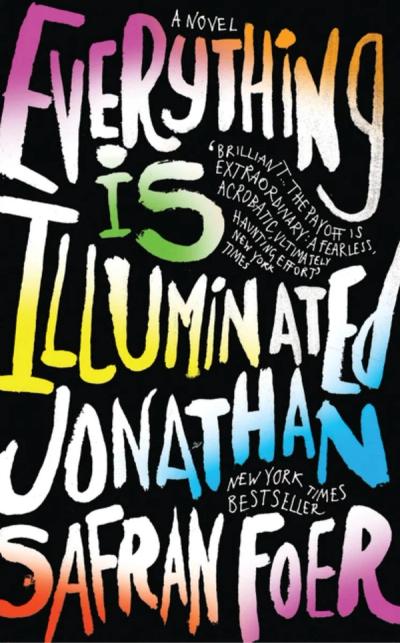
A young American goes to Ukraine to find his grandfather's savior.
✦ READ – REFLECT → RESIST
For the family bookshelf
Same idea, written for a younger reader. Good for reading together.