
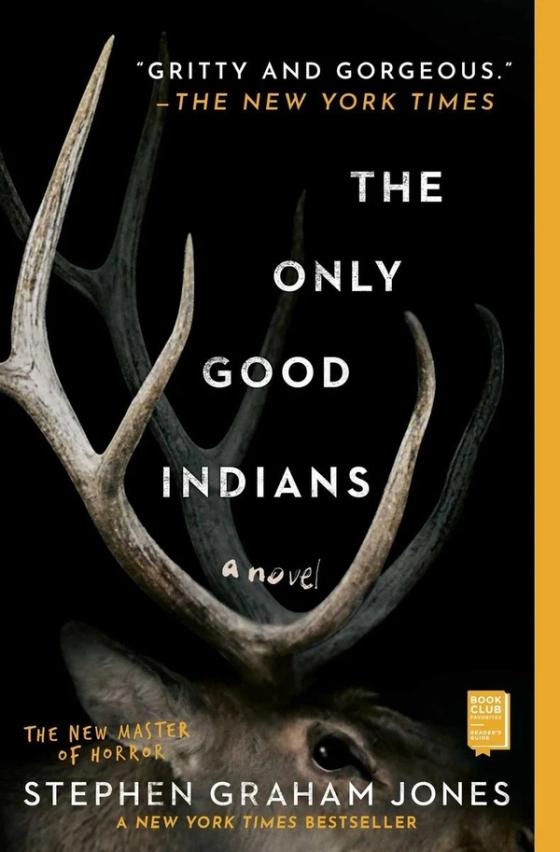
The Only Good Indians
by Stephen Graham Jones
Four Blackfeet men. One mistake. The consequence comes anyway.
For you if
you want a horror novel where the monster is the historical record — written by a Blackfeet author who uses the genre to say what other forms cannot
⚡ Choose Your Route ⚡
Not sold directly on this site. Support indie bookstores with a new copy, or go sustainable with a used one.
Buy New on Bookshop.orgSupports independent bookstores
— OR —
Find Used on Better World BooksSecondhand & sustainable
$19 MSRP
Reference price shown. Other editions may be available.
Lewis, Ricky, Gabe, and Cass — made a mistake ten years ago during an illegal elk hunt on tribal elders' land. They killed a cow elk and her calf in a section of the reservation reserved for the elders, and they have been carrying it since. What comes for them is the consequence of that violation — but the horror of this novel is not supernatural in origin. It is historical. Jones, a Blackfeet author, has written the most important Indigenous horror novel ever produced: a book in which the monster is the accumulated consequence of colonial dispossession that produced the conditions for every bad decision his characters have ever made, and in which Indigenous ethics — the specific moral framework of the Blackfeet Nation — is the novel's actual moral center. Stephen King called it one of the best horror novels he had read in years. The horror works because it is earned by history, and history here is not metaphor — it is the specific documented record of what was done to the land and the people on it.
Where This Book Lives
- Setting
- North America
- Voice
- Written by a North America author
Related Viewing
Shares a topic, theme, or setting with this book in the catalog.
Indian Horse(2017)
dir. Stephen S. Campanelli
Hockey couldn't save him from what came before.
Torn from his Ojibway family and committed to a Catholic residential school in 1950s Ontario, Saul Indian Horse survives institutional abuse and finds an unlikely refuge in hockey — though the game can't undo what the school did. Adapted from Richard Wagamese's novel.
Why it’s here: Punk in refusing to let athletic triumph erase institutional abuse — Saul's hockey talent doesn't heal the residential school system that tried to break him. Pedagogical in showing how trauma and skill can coexist in the same body without cancelling each other out.
Once Were Warriors(1994)
dir. Lee Tamahori
A warrior culture severed and how to reclaim it.
In urban Auckland, Beth Heke fights to hold her family together against her husband Jake's alcoholism and violence, as their children search — through gangs, foster care, and a reclaimed connection to Māori culture — for a way out of a cycle set in motion by generations of colonization. Adapted from Alan Duff's novel.
Why it’s here: Punk in its total refusal to look away from what colonization and urban poverty did to this family, without pretending it stands in for all Māori experience. Pedagogical in showing cultural reconnection, not therapy alone, as the path back from cyclical violence.
Same pattern, different era
Different time, different place. The same thing keeps happening.
Carpentaria
Alexis Wright
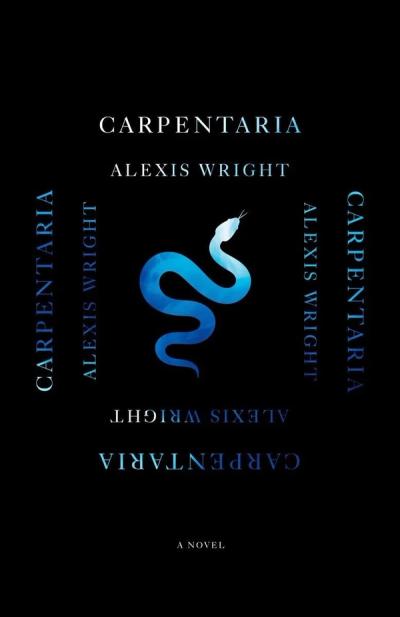
The Gulf of Carpentaria. The Waanyi people. Their country fights back.
✦ READ – REFLECT → RESIST
Too Much Lip
Melissa Lucashenko
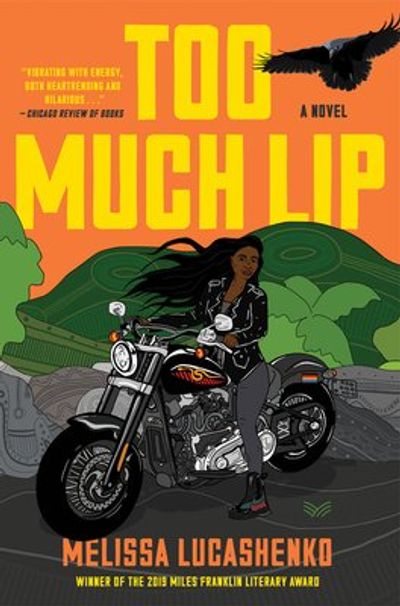
A Murri woman comes home to save her family's land from a prison.
✦ READ – REFLECT → RESIST
Monkey Beach
Eden Robinson
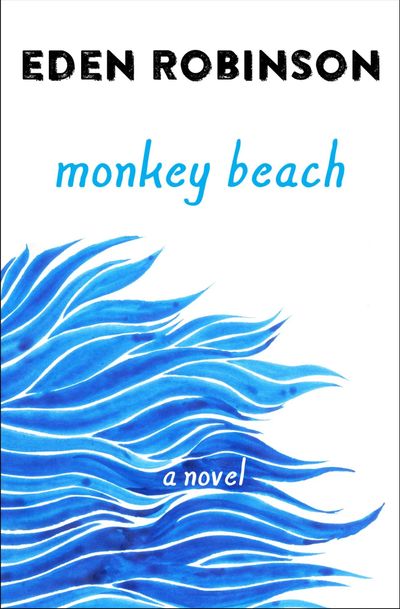
A Haisla woman goes looking for her brother and her ghosts.
✦ READ – REFLECT → RESIST
The Yield
Tara June Winch
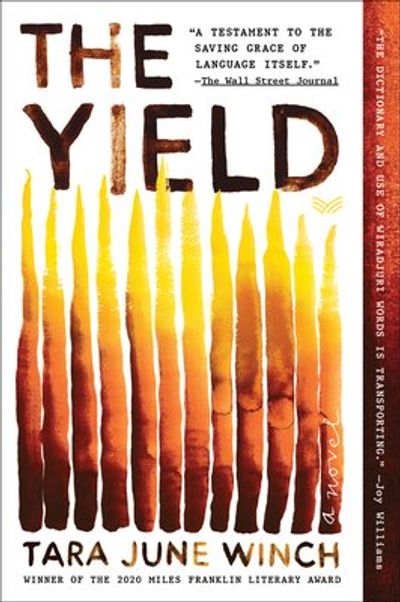
A grandfather's Wiradjuri dictionary. A mining company. One last fight.
✦ READ – REFLECT → RESIST