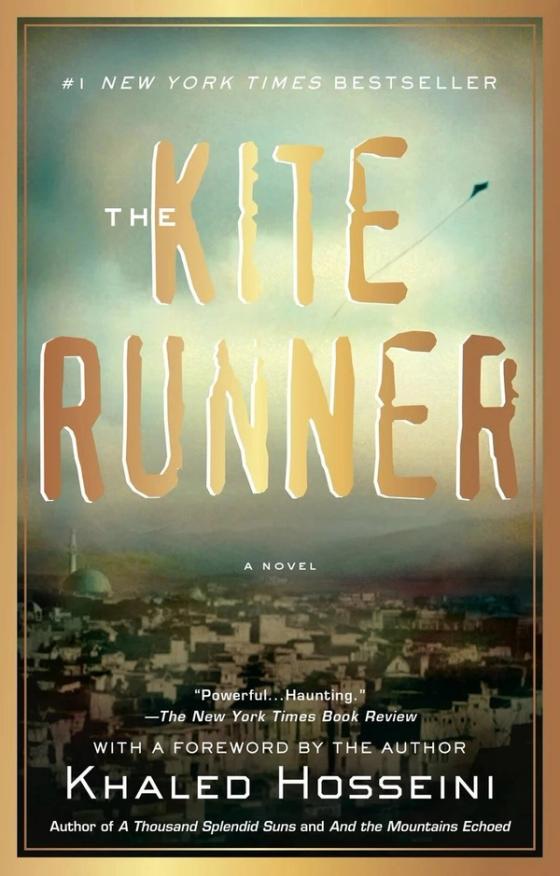
The Kite Runner
by Khaled Hosseini
A betrayal. Thirty years of Afghan history. Redemption.
For you if
you want to understand Afghanistan as a place people loved before the world decided it was only a war
⚡ Choose Your Route ⚡
Not sold directly on this site. Support indie bookstores with a new copy, or go sustainable with a used one.
Buy New on Bookshop.orgSupports independent bookstores
— OR —
Find Used on Better World BooksSecondhand & sustainable
$18 MSRP
Reference price shown. Other editions may be available.
Amir and Hassan, two boys in Kabul in the 1970s, and the act of cowardice that haunts Amir for the next thirty years. Hosseini takes you from the kite tournaments of pre-Soviet Kabul through the Taliban's arrival and into the diaspora in California. Afghanistan as a place of extraordinary beauty and ordinary human life — before it became a symbol, before it became a debate. The book that made more Americans see Afghan people as people than any amount of journalism.
Banned & challenged
Find out what they were so afraid of.
Get a copy and decide for yourself.
Challenged for depicting child sexual violence — the same content that appears in dozens of unchallenged literary novels by white Western authors. The additional threat: a story set in Afghanistan that humanizes Muslim characters and makes American complicity in that region's suffering legible. The sexual violence is the pretext; the Muslim protagonist is the real discomfort.
Where This Book Lives
- Setting
- Afghanistan • Central Asia
- Voice
- Written by a Afghan author
Related Viewing
Shares a topic, theme, or setting with this book in the catalog.
Cry, the Beloved Country(1995)
dir. Darrell James Roodt
Two fathers, one tragedy, and an unlikely bond.
A Black rural Anglican priest travels to Johannesburg to find his estranged son, who has been swept up in a crime that will connect the priest to a wealthy white landowner grieving his own son. Adapted from Alan Paton's 1948 novel.
Why it’s here: Punk in imagining reconciliation across the apartheid color line decades before that reconciliation was politically fashionable — the novel predates Mandela's release by nearly fifty years. Pedagogical in showing how personal grief can crack open even entrenched racial hierarchy.
Disgrace(2008)
dir. Steve Jacobs
Reckoning with power, in a changing country.
A Cape Town professor's affair with a student ends his career and sends him to his daughter's isolated farm, where a brutal attack forces him to confront a post-apartheid South Africa that no longer works by his old rules. Adapted from J.M. Coetzee's novel.
Why it’s here: Punk in refusing David Lurie any easy redemption — his disgrace doesn't get neatly resolved by his daughter's choices or the new South Africa's politics. Pedagogical in showing how a personal reckoning with abused power looks nothing like an apology.
Same event, different angle
The same history — told by someone who saw it differently.
A Thousand Splendid Suns
Khaled Hosseini
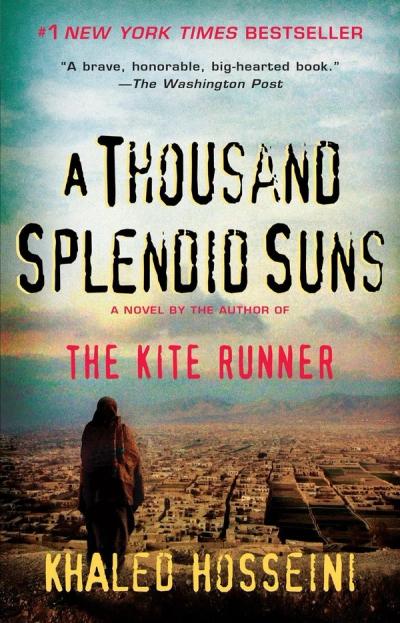
Two women. One house. Thirty years between them.
✦ READ – REFLECT → RESIST
The Swallows of Kabul
Yasmina Khadra
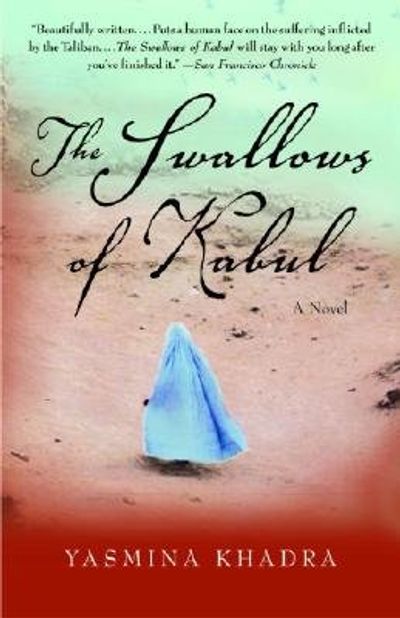
Taliban Kabul. Two families, one sky, lived apart.
✦ READ – REFLECT → RESIST
Good Girl
Aria Aber
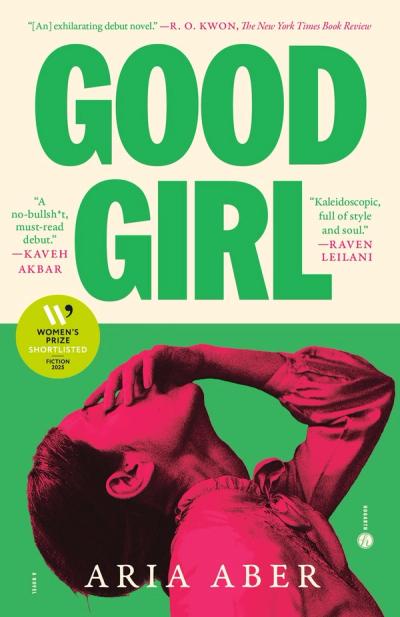
Afghan German. Berlin clubs. She told them she was Greek.
✦ READ – REFLECT → RESIST
Flip the lens
Same country. Now hear it from the other side.
For the family bookshelf
Same idea, written for a younger reader. Good for reading together.