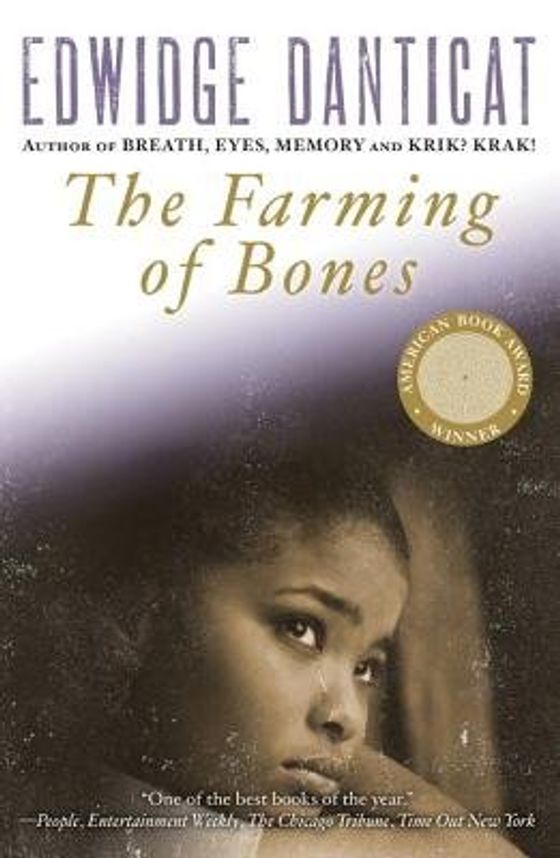
The Farming of Bones
by Edwidge Danticat
The 1937 massacre the Dominican Republic buried.
For you if
you want to understand how a government erases an atrocity and what the survivors carry
⚡ Choose Your Route ⚡
Not sold directly on this site. Support indie bookstores with a new copy, or go sustainable with a used one.
Buy New on Bookshop.orgSupports independent bookstores
— OR —
Find Used on Better World BooksSecondhand & sustainable
$17 MSRP
Reference price shown. Other editions may be available.
In 1937 Trujillo ordered the massacre of Haitian workers on the Dominican side of the border — up to 30,000 people killed, many by machete, identified by their inability to pronounce the Spanish word for parsley. Danticat tells the story through Amabelle, a Haitian domestic worker who survives. The most important fictional account of an atrocity that the Dominican Republic has spent decades minimizing. A dispatch about what happens to a community's memory when the state decides the event didn't occur.
Where This Book Lives
- Setting
- Dominican Republic • Caribbean
- Voice
- Written by a Dominican author
Related Viewing
Shares a topic, theme, or setting with this book in the catalog.
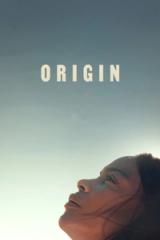
Origin(2023)
dir. Ava DuVernay
Racism is the symptom. Caste is the disease.
While grappling with personal loss, Pulitzer-winning writer Isabel Wilkerson traces a hidden architecture connecting racial hierarchy in America, the caste system in India, and the machinery of Nazi Germany. Adapted from Wilkerson's book Caste: The Origins of Our Discontents.
Why it’s here: Punk in daring to name America's racial order as a caste system, kin to India's and Nazi Germany's, rather than a uniquely American aberration. Pedagogical in dramatizing how a writer's own grief becomes the engine of rigorous, world-spanning research.
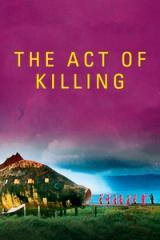
The Act of Killing(2012)
dir. Joshua Oppenheimer
Killers reenact their crimes. Nothing is hidden.
Indonesian death-squad leaders, celebrated as national heroes, are challenged to reenact their 1965-66 mass killings in the style of the American movies they grew up loving.
Why it’s here: Extraordinarily disturbing by design, not by accident — the film's whole method is letting unrepentant death-squad leaders stage their own killings in the genre styles they love, and the horror is that they agree to do it happily. Essential, and not for a casual watch: know that going in.
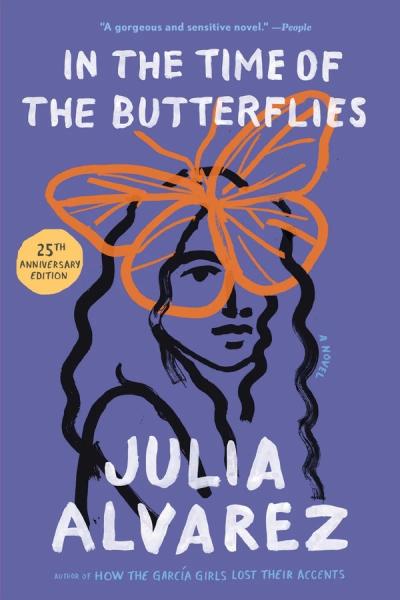
Same event, different angle
The same history — told by someone who saw it differently.
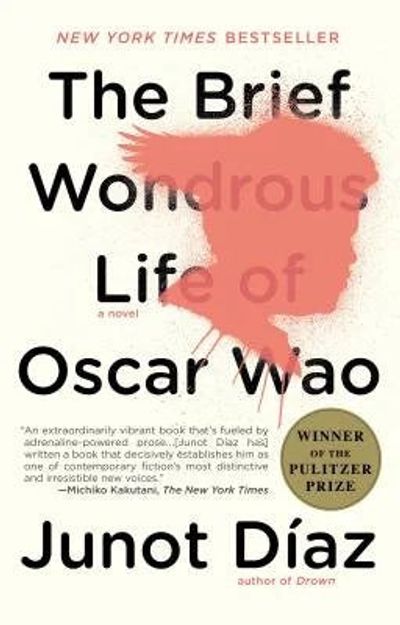
Same pattern, different era
Different time, different place. The same thing keeps happening.
The Humanity Archive
Jermaine Fowler
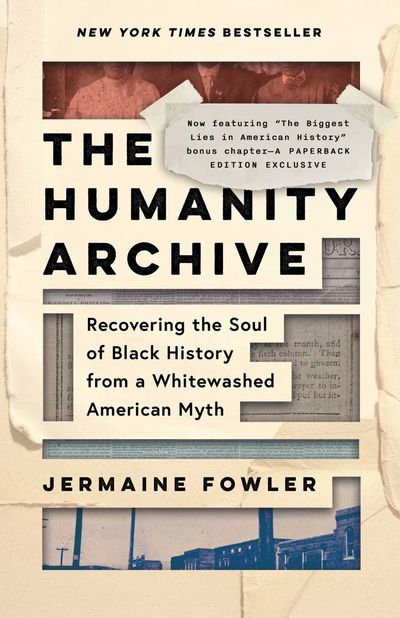
Reclaiming history’s stolen spotlight.
✦ READ – REFLECT → RESIST
The 1619 Project
Nikole Hannah-Jones
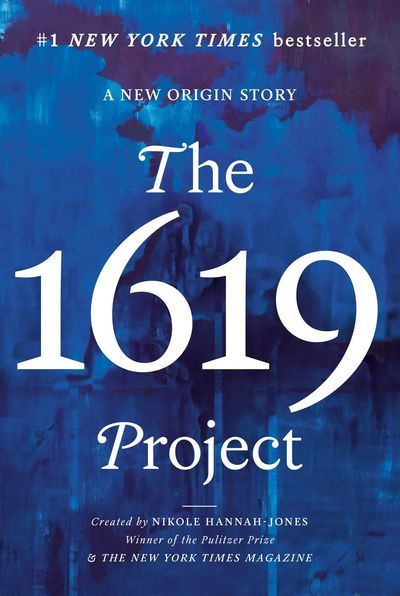
The remix that shook America’s timeline.
✦ READ – REFLECT → RESIST
Lies My Teacher Told Me
James W. Loewen
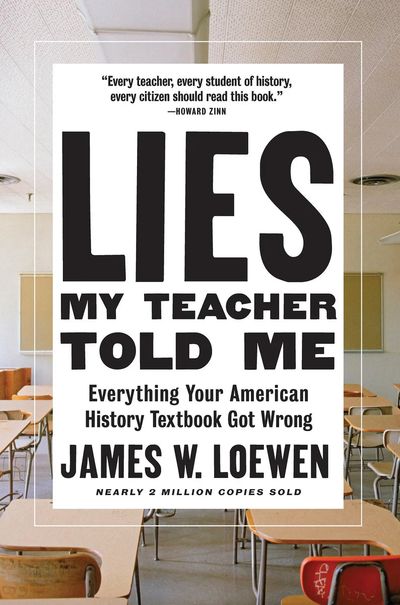
History class—now with honesty.
✦ READ – REFLECT → RESIST
Fellini on Fellini
Federico Fellini
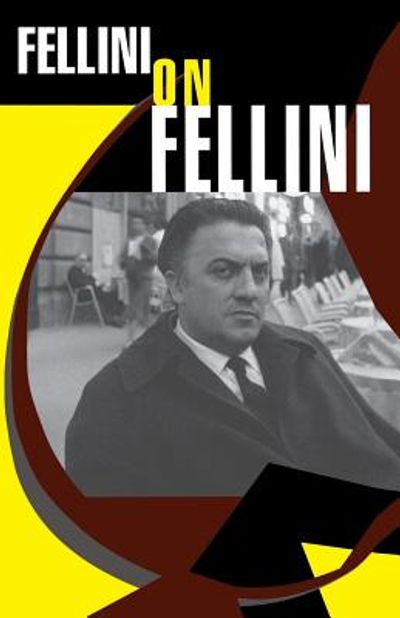
The dreamer’s confessions.
✦ READ – REFLECT → RESIST
For the family bookshelf
Same idea, written for a younger reader. Good for reading together.