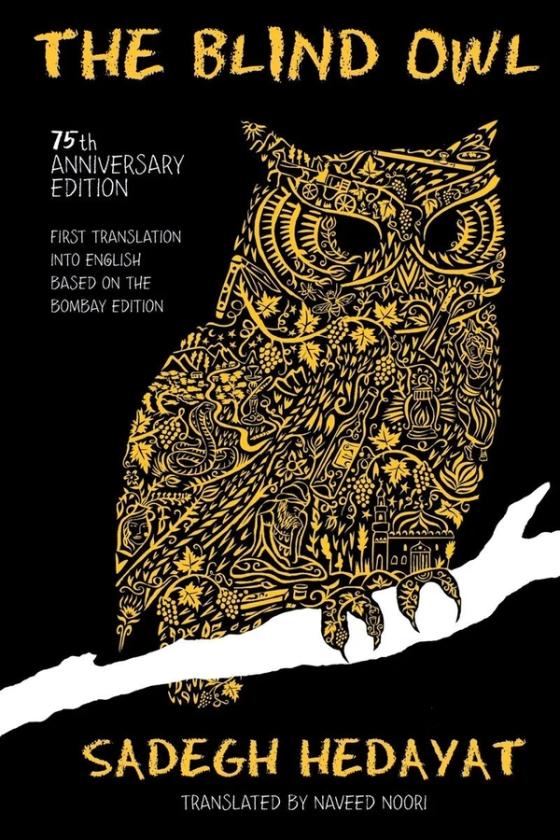
The Blind Owl
by Sadegh Hedayat
The darkest Iranian novel ever written. Also the best.
For you if
you want to understand the Persian literary tradition through its most uncompromising voice
⚡ Choose Your Route ⚡
Not sold directly on this site. Support indie bookstores with a new copy, or go sustainable with a used one.
Buy New on Bookshop.orgSupports independent bookstores
— OR —
Find Used on Better World BooksSecondhand & sustainable
$15 MSRP
Reference price shown. Other editions may be available.
Hedayat wrote this in 1936 and it was banned in Iran for decades. A man, a woman, an obsession, death, opium, a shadow that may or may not be real. Surrealist, hallucinatory, influenced by Kafka and Poe but utterly Iranian in its darkness. Hedayat died by suicide in Paris in 1951. The Blind Owl is the dispatch from inside a mind that saw something in Iranian culture and modernity that he couldn't resolve. Difficult and essential.
Where This Book Lives
- Setting
- Iran • Middle East
- Voice
- Written by a Iranian author
- Topics
- book banning in iran
Related Viewing
Shares a topic, theme, or setting with this book in the catalog.
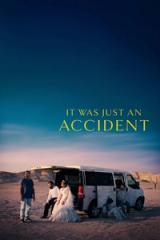
It Was Just an Accident(2025)
dir. Jafar Panahi
Is this the man who tortured him? He has to know.
A mechanic in Iran becomes convinced that a man he's crossed paths with is the blindfolded interrogator who once tortured him in prison — and enlists other former detainees to help him confirm it, with escalating and morally uncertain consequences.
Why it’s here: Punk in the literal sense that its own existence defies a state filmmaking ban — Panahi shot this clandestinely after his own imprisonment, and it's his most direct attack yet on Iran's security apparatus. Pedagogical in refusing easy catharsis: revenge here is morally murky, and the film makes you sit with that uncertainty rather than cheering a clean reckoning.
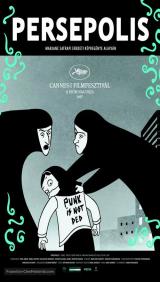
Persepolis(2007)
dir. Marjane Satrapi & Vincent Paronnaud
Her own memoir, animated — testimony, not reportage.
Animated adaptation of Satrapi's own graphic memoir — a girl coming of age in Tehran during and after the 1979 revolution, then in exile, then back home as an adult reckoning with who she's become.
Why it’s here: Satrapi adapted her own story, so nothing here is secondhand. Punk in the plainest sense: the Iranian government denounced it, and she made it anyway. Pedagogical in that it teaches a kid what authoritarianism actually feels like to live through — not the textbook timeline, the daily compromises.
Same pattern, different era
Different time, different place. The same thing keeps happening.
Flip the lens
Same country. Now hear it from the other side.