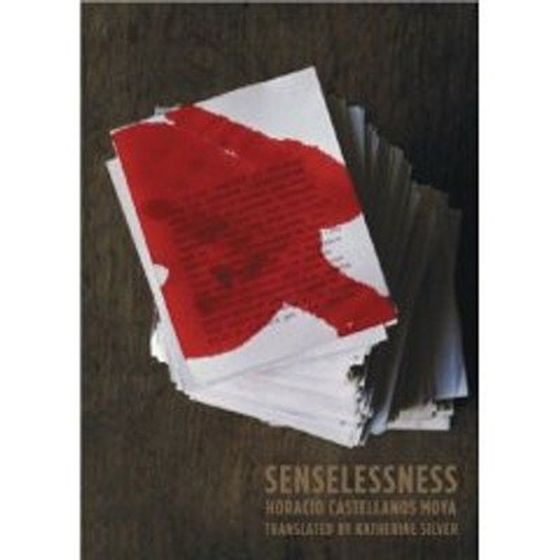
Senselessness
by Horacio Castellanos Moya
He edits a genocide report. The words start following him.
For you if
you want to understand how sustained exposure to documented atrocity changes the person reading it
⚡ Choose Your Route ⚡
Not sold directly on this site. Support indie bookstores with a new copy, or go sustainable with a used one.
Buy New on Bookshop.orgSupports independent bookstores
— OR —
Find Used on Better World BooksSecondhand & sustainable
$16 MSRP
Reference price shown. Other editions may be available.
A writer is hired by the Catholic Church in an unnamed Central American country to edit a thousand-page report documenting military atrocities against Indigenous civilians. As he reads the testimonies — each one more specific and more terrible than the last — he begins to lose his mind. Castellanos Moya writes in a single unbroken monologue of mounting paranoia and dark comedy. The novel is a dispatch about what it does to a person to be immersed in documentation of atrocity — the specific psychological cost of bearing witness to things that should not have happened and did. The most formally original Central American novel ever written.
Where This Book Lives
- Setting
- El Salvador
- Voice
- Written by a Salvadoran author
- Topics
- guatemalan civil war
Related Viewing
Shares a topic, theme, or setting with this book in the catalog.
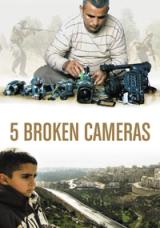
5 Broken Cameras(2011)
dir. Emad Burnat & Guy Davidi
Five cameras destroyed. Every one kept filming.
A Palestinian farmer in Bil'in documents his village's nonviolent resistance to encroaching Israeli settlements over five years, structured around each of his cameras' destruction.
Why it’s here: Shot almost entirely by a Palestinian farmer with no filmmaking background, on cameras that kept getting destroyed and kept getting replaced — testimony in the most literal sense, edited (not directed) into shape by an Israeli co-director after the fact.
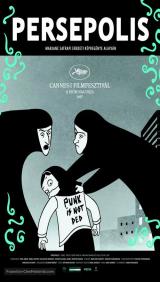
Persepolis(2007)
dir. Marjane Satrapi & Vincent Paronnaud
Her own memoir, animated — testimony, not reportage.
Animated adaptation of Satrapi's own graphic memoir — a girl coming of age in Tehran during and after the 1979 revolution, then in exile, then back home as an adult reckoning with who she's become.
Why it’s here: Satrapi adapted her own story, so nothing here is secondhand. Punk in the plainest sense: the Iranian government denounced it, and she made it anyway. Pedagogical in that it teaches a kid what authoritarianism actually feels like to live through — not the textbook timeline, the daily compromises.
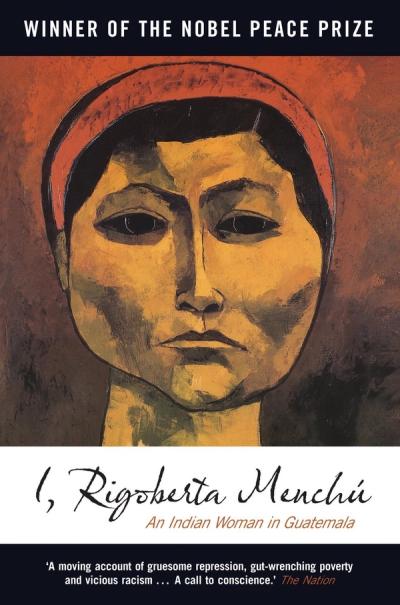
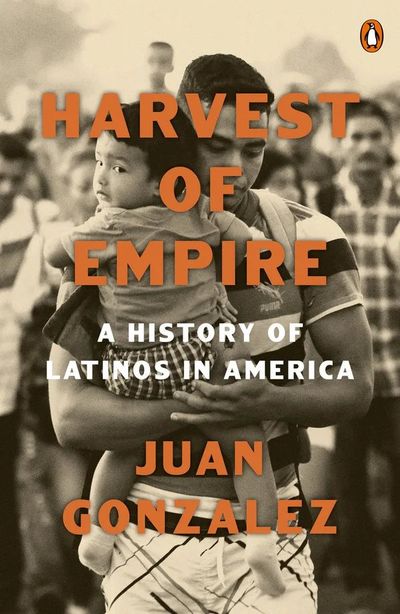
Same event, different angle
The same history — told by someone who saw it differently.
Same pattern, different era
Different time, different place. The same thing keeps happening.
Slaughterhouse-Five
Kurt Vonnegut
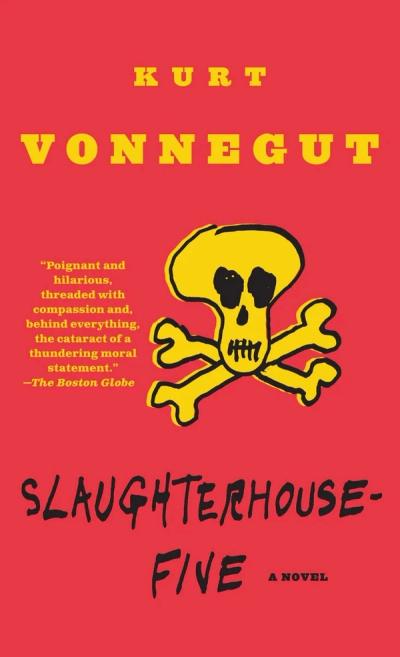
Trauma, time travel, and tinfoil hats.
✦ READ – REFLECT → RESIST
Ceremony
Leslie Marmon Silko
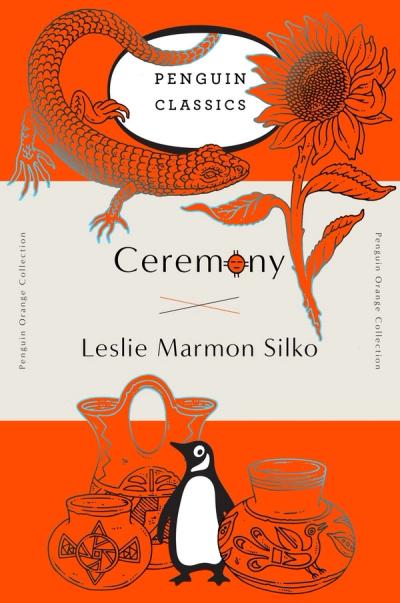
A Pueblo veteran comes home to the land that can heal him.
✦ READ – REFLECT → RESIST
The Hate U Give
Angie Thomas

Witness. Target. Survivor.
✦ READ – REFLECT → RESIST
The Librarian of Auschwitz
Antonio Iturbe
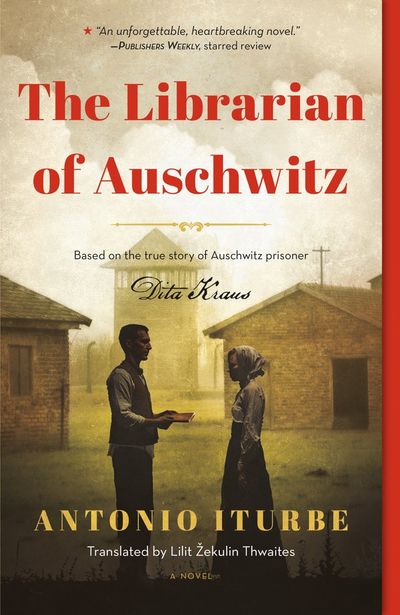
Eight books. One library. One defiant act.
✦ READ – REFLECT → RESIST