
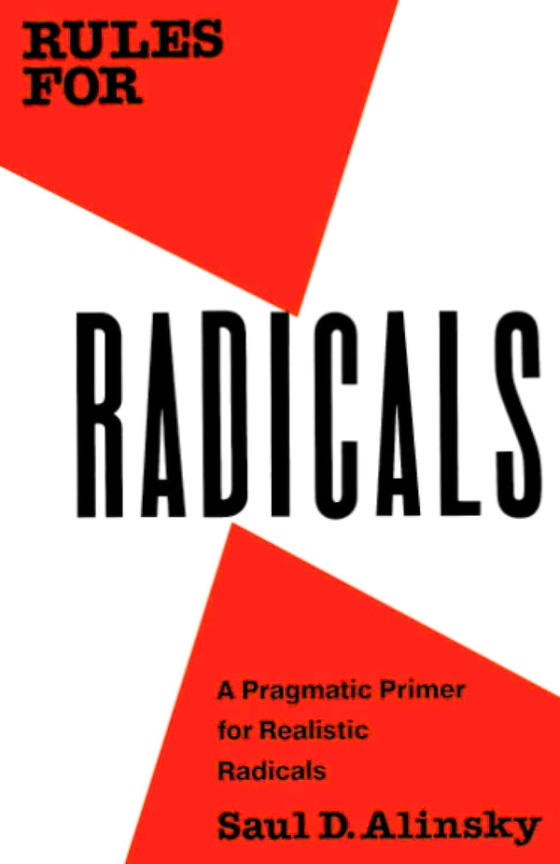
Rules for Radicals
by Saul Alinsky
Thirteen rules for building power. Written by someone who did it.
For you if
you have read enough theory and want the practical manual for how people without power build it
⚡ Choose Your Route ⚡
Not sold directly on this site. Support indie bookstores with a new copy, or go sustainable with a used one.
Buy New on Bookshop.orgSupports independent bookstores
— OR —
Find Used on Better World BooksSecondhand & sustainable
$20 MSRP
Reference price shown. Other editions may be available.
Alinsky dedicated this to Lucifer — the first radical known to man who rebelled against the establishment and won his own kingdom. That tells you everything about his tone. The book itself is a practical manual for building power among people who have none: thirteen rules drawn from decades of community organizing in Chicago's meatpacking districts and South Side neighborhoods, documented with the rigor of someone who had watched what worked and what didn't across a lifetime of practice. Make the enemy live up to their own rules. Ridicule is your most potent weapon. A good tactic is one your people enjoy. Power is not only what you have but what the enemy thinks you have. These are not cynical instructions — they are honest about how change actually happens versus how civics class says it does. The FBI surveilled Alinsky for years. His opponents used his name as a slur, which is one of the more reliable indicators that someone named something true. The most practical book on the Make Something Better shelf — the one that answers the question every reader of Goldman and Kropotkin eventually asks: but what do we actually do on Monday morning? The tactics are tools, not values — P&P situates them in the tradition of justice organizing, not power consolidation.
Where This Book Lives
Related Viewing
Shares a topic, theme, or setting with this book in the catalog.
Mandela: Long Walk to Freedom(2013)
dir. Justin Chadwick
27 years in prison. A lifetime of forgiveness.
From a rural Xhosa childhood through 27 years of imprisonment to his election as South Africa's first Black president, this biopic traces how Nelson Mandela's politics shifted from armed resistance to strategic reconciliation. Adapted from Mandela's autobiography.
Why it’s here: Punk in centering the discipline of forgiveness as itself a radical act — Mandela's reconciliation politics reads as harder, not softer, than vengeance would have been. Pedagogical in tracing how decades of imprisonment shaped, rather than broke, his strategic patience.
Same pattern, different era
Different time, different place. The same thing keeps happening.
Emergent Strategy
adrienne maree brown
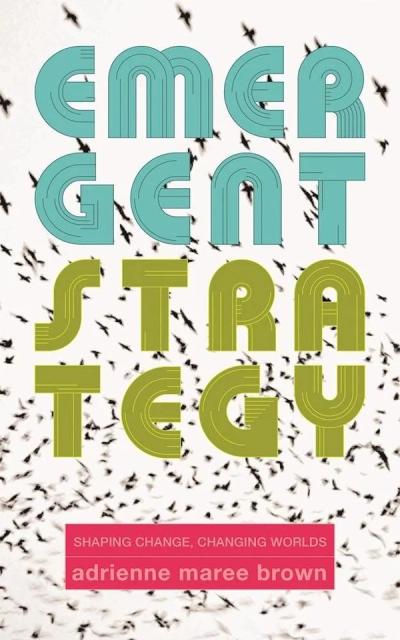
Organize like a mycelium network
✦ READ – REFLECT → RESIST
Mutual Aid: Building Solidarity During This Crisis (and the Next)
Dean Spade
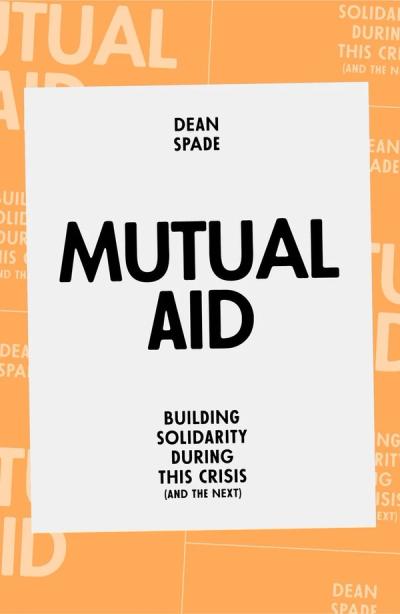
Not charity. Solidarity. Here's the difference and how to do it.
✦ READ – REFLECT → RESIST
The Perilous Fight
Colin Kaepernick
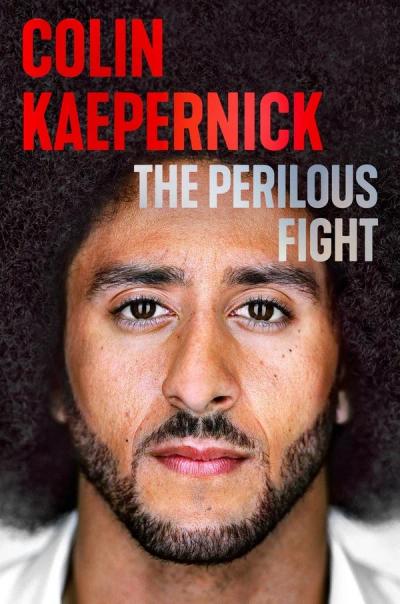
The cost of refusing to look away.
✦ READ – REFLECT → RESIST