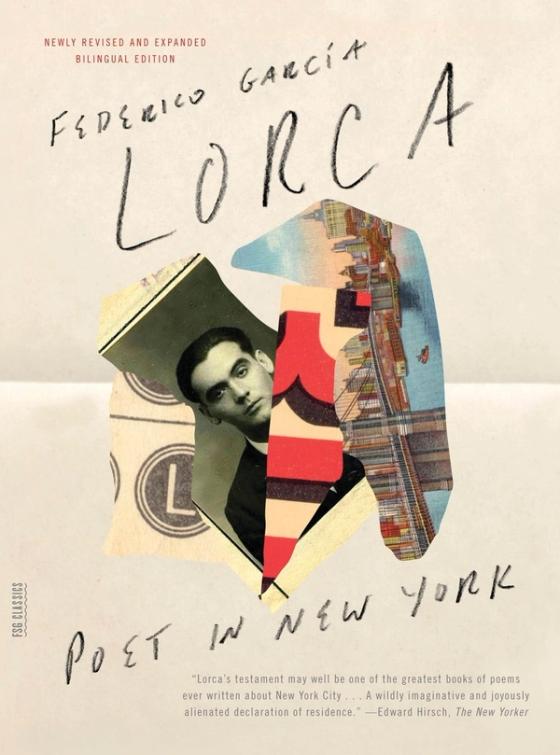
Poet in New York
by Federico García Lorca
A Spanish poet in 1929 New York. They killed him for less.
For you if
you want to understand what New York's capitalism looked like to someone who arrived from outside it and had nothing to lose by saying what he saw
⚡ Choose Your Route ⚡
Not sold directly on this site. Support indie bookstores with a new copy, or go sustainable with a used one.
Buy New on Bookshop.orgSupports independent bookstores
— OR —
Find Used on Better World BooksSecondhand & sustainable
$20 MSRP
Reference price shown. Other editions may be available.
Lorca arrived in New York in 1929 during the Wall Street crash and wrote the most formally radical poetry of his career in response to what he found: the dehumanization of capitalism grinding human beings into economic units, the specific exploitation of Black culture — Harlem's music and energy absorbed into white commercial entertainment while Black New Yorkers lived in poverty a mile away, the mechanization of everything that had been alive. He was a gay Spanish poet in a city that had no category for him and he saw it with the clarity that comes from being completely outside it. Franco's fascists shot him in 1936 and buried him in an unmarked grave that has never been found. The poems were suppressed under Franco for decades. What survived is the most searing indictment of New York capitalism ever written and one of the most formally adventurous poetry collections in any language — surrealism not as an aesthetic game but as the only form adequate to a reality that had become genuinely surreal. The Greg Simon and Steven F. White translation published by Farrar, Straus and Giroux is the one to use.
Where This Book Lives
- Setting
- Spain • Europe
- Voice
- An outside perspective on Spain
Related Viewing
Shares a topic, theme, or setting with this book in the catalog.
Cry, the Beloved Country(1995)
dir. Darrell James Roodt
Two fathers, one tragedy, and an unlikely bond.
A Black rural Anglican priest travels to Johannesburg to find his estranged son, who has been swept up in a crime that will connect the priest to a wealthy white landowner grieving his own son. Adapted from Alan Paton's 1948 novel.
Why it’s here: Punk in imagining reconciliation across the apartheid color line decades before that reconciliation was politically fashionable — the novel predates Mandela's release by nearly fifty years. Pedagogical in showing how personal grief can crack open even entrenched racial hierarchy.
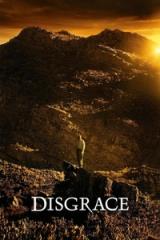
Disgrace(2008)
dir. Steve Jacobs
Reckoning with power, in a changing country.
A Cape Town professor's affair with a student ends his career and sends him to his daughter's isolated farm, where a brutal attack forces him to confront a post-apartheid South Africa that no longer works by his old rules. Adapted from J.M. Coetzee's novel.
Why it’s here: Punk in refusing David Lurie any easy redemption — his disgrace doesn't get neatly resolved by his daughter's choices or the new South Africa's politics. Pedagogical in showing how a personal reckoning with abused power looks nothing like an apology.
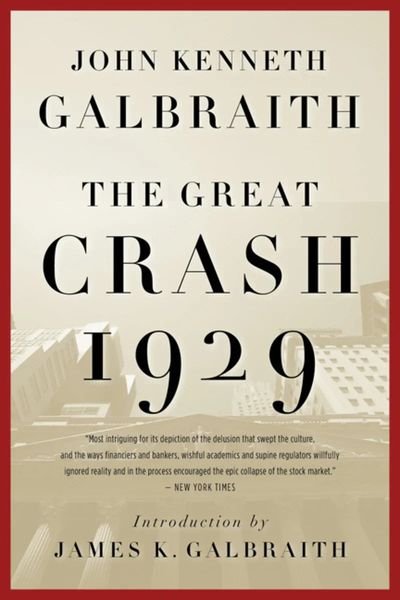
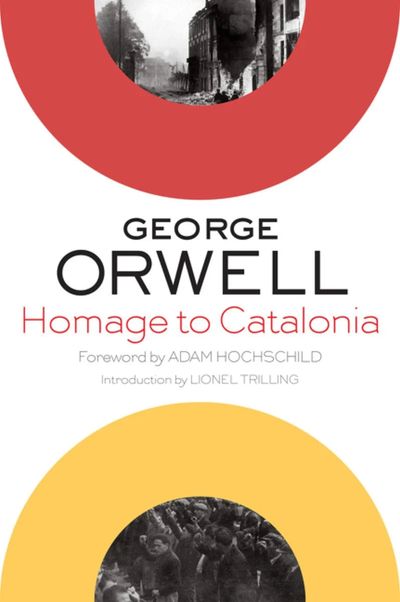
Same event, different angle
The same history — told by someone who saw it differently.
Same pattern, different era
Different time, different place. The same thing keeps happening.
We Are Not Yet Equal
Carol Anderson & Tonya Bolden
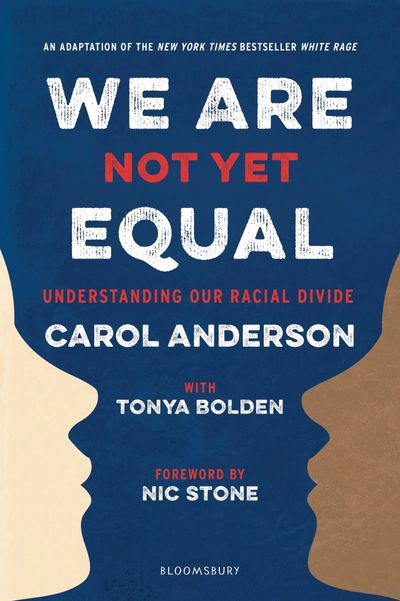
History’s receipts for injustice.
✦ READ – REFLECT → RESIST
The Big Short
Michael Lewis
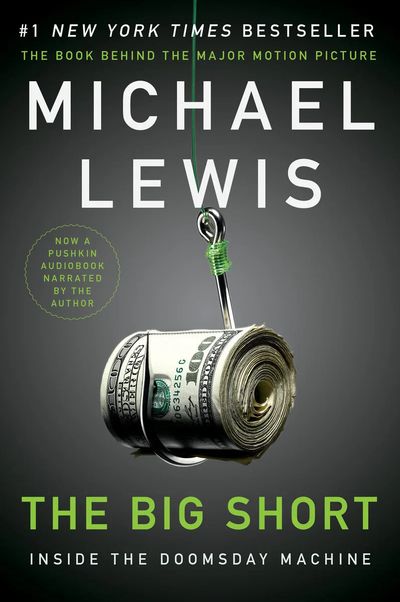
The punkest thing on Wall Street.
✦ READ – REFLECT → RESIST
Too Big to Fail
Andrew Ross Sorkin
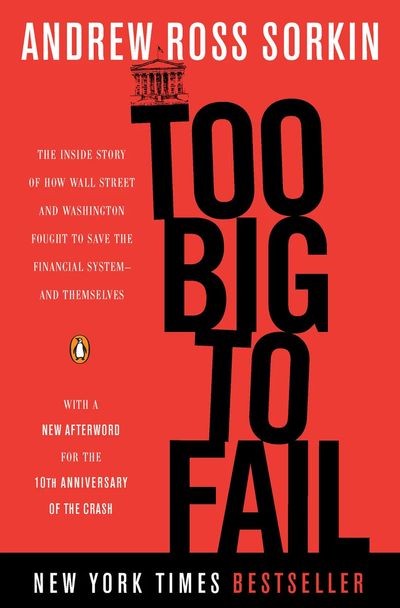
Greed. Panic. Bailout. Rinse. Repeat.
✦ READ – REFLECT → RESIST
The Price of Inequality
Joseph E. Stiglitz
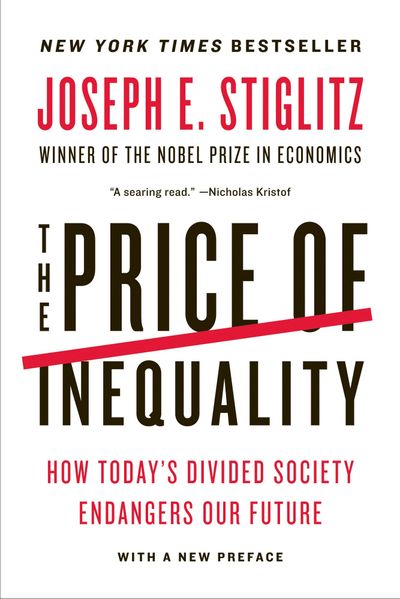
Why inequality isn’t an accident.
✦ READ – REFLECT → RESIST
Flip the lens
Same country. Now hear it from the other side.
For the family bookshelf
Same idea, written for a younger reader. Good for reading together.