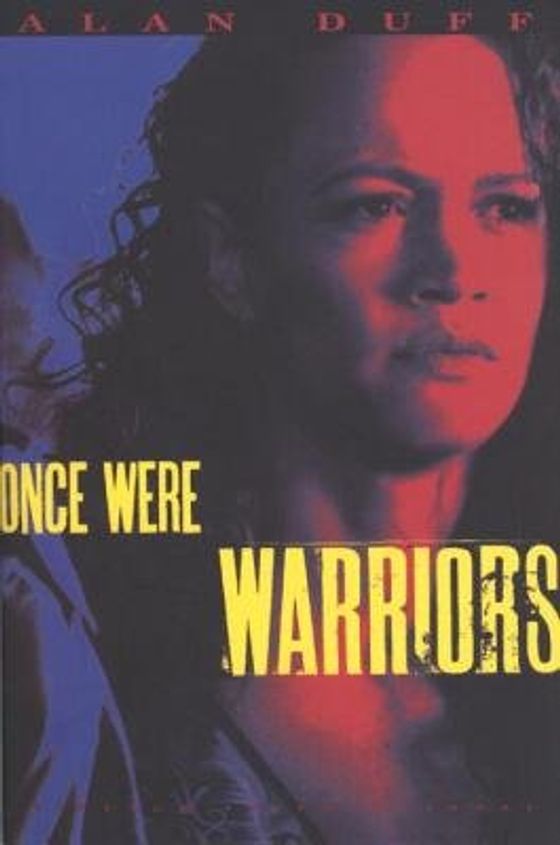
Once Were Warriors
by Alan Duff
Urban Māori. A violent husband. A mother who finally says enough.
For you if
you want to understand what dispossession looks like two generations on — when the land is gone and the culture is gone and what's left is a housing estate
⚡ Choose Your Route ⚡
Not sold directly on this site. Support indie bookstores with a new copy, or go sustainable with a used one.
Buy New on Bookshop.orgSupports independent bookstores
— OR —
Find Used on Better World BooksSecondhand & sustainable
$14 MSRP
Reference price shown. Other editions may be available.
Beth Heke lives in a state housing estate in Auckland with her husband Jake — a man of enormous physical presence and charm who cannot hold a job and cannot stop drinking and cannot stop hitting her. Duff writes about urban Māori poverty with a directness that made New Zealand deeply uncomfortable when the novel was published in 1990. The most uncomfortable New Zealand novel on this shelf and the most necessary — the dispatch from inside the experience of a people dispossessed of their land and culture and trying to survive in a welfare estate with none of the tools that survival requires.
Where This Book Lives
- Setting
- New Zealand
- Voice
- Written by a New Zealand author
Related Viewing
Shares a topic, theme, or setting with this book in the catalog.
The Battle of Algiers(1966)
dir. Gillo Pontecorvo
Studied by insurgents and the Pentagon alike.
Docudrama reconstruction of the FLN's urban guerrilla campaign against French colonial rule in Algiers, shot in a deliberately newsreel-like style with mostly non-professional actors.
Why it’s here: Reconstructed with a documentary's texture and an insurgency's actual tactics — studied for decades by both sides of colonial conflict, reportedly including the Pentagon itself ahead of the Iraq occupation. A rare case of a film about power becoming an actual tactical document, not just a representation of one.
Even the Rain(2010)
dir. Icíar Bollaín
A Columbus movie collides with a real water revolt.
A Spanish film crew shooting a revisionist Christopher Columbus epic in Bolivia gets swept into the real Cochabamba Water War as their production and the uprising collide.
Why it’s here: A film crew shooting a revisionist Columbus epic on the cheap gets pulled into Bolivia's actual 2000 water-privatization uprising — the 500-years-apart parallel is the point, and it doesn't let the crew's good politics excuse their own exploitation of local labor.
Same pattern, different era
Different time, different place. The same thing keeps happening.