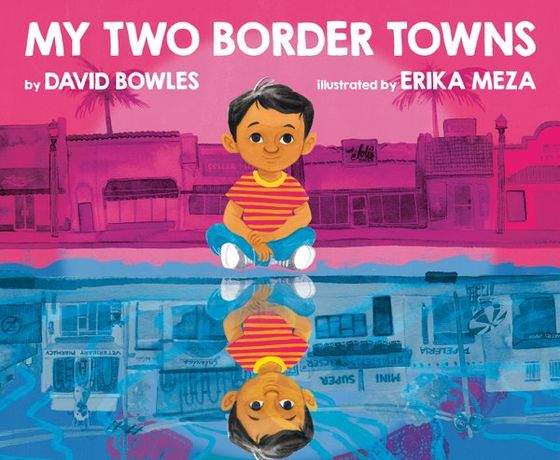
My Two Border Towns
by David Bowles
The border as home, not crisis.
For you if
you're raising a kid in a world that makes the border sound like a problem.
⚡ Choose Your Route ⚡
Not sold directly on this site. Support indie bookstores with a new copy, or go sustainable with a used one.
Buy New on Bookshop.orgSupports independent bookstores
— OR —
Find Used on Better World BooksSecondhand & sustainable
$19 MSRP · Hardcover
Reference price shown. Other editions may be available.
Every Saturday, Elder and his father cross the bridge from Texas into Mexico — stopping at the market, eating lunch, picking up supplies. It's ordinary life, transnational life, the way millions of families actually live. But on the bridge there are also families waiting — refugees hoping to be heard, kids who have nothing. Elder's dad stops to give what they can, and Elder watches and learns without a lecture. Bowles doesn't present the border as crisis or wall or threat; he presents it as home — a place of abundance and joy and complicated reality all at once. It's the counter-narrative every kid in a border community deserves, and the one every kid outside one needs.
Where This Book Lives
- Setting
- Mexico • North America
- Voice
- Written by a Mexican author
- Themes
- belongingborderlands
Bowles drew this from his own childhood — crossing with his dad, the Saturday rituals, the mercado, the bridge. The refugee families on the bridge aren't a lesson; they're part of the landscape that Elder is already learning to see and respond to. The book code-switches between English and Spanish the way Bowles's community actually talks, and that's not decorative — it's the whole argument. This is what the border actually sounds like.
Related Viewing
Shares a topic, theme, or setting with this book in the catalog.
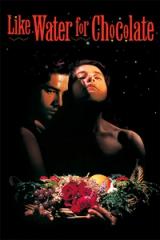
Like Water for Chocolate(1992)
dir. Alfonso Arau
Forbidden love, served through food.
In early-1900s Mexico, Tita is forbidden by family tradition from marrying the man she loves, so she pours her longing into the food she cooks — food that carries her emotions, sometimes literally, into everyone who eats it. Adapted from Laura Esquivel's novel.
Why it’s here: Punk in making a kitchen the site of rebellion — Tita's cooking becomes the one language her mother can't control or silence. Pedagogical in showing how inherited "duty" polices women's desire generation after generation, and what it costs to break that chain.
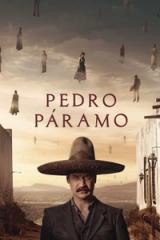
Pedro Páramo(2024)
dir. Rodrigo Prieto
A ghost town where the dead won't stop talking.
A man travels to his late mother's hometown to find the father he never knew, only to discover Comala is a ghost town in the most literal sense — populated by the dead, still narrating the tyranny of the cacique who once ruled it. Adapted from Juan Rulfo's novel.
Why it’s here: Punk in blurring the line between the living and the dead until power and guilt outlast the man who held them — Pedro Páramo's tyranny haunts Comala long after his death. Pedagogical in showing how one man's greed can hollow out an entire town's future.
Same pattern, different era
Different time, different place. The same thing keeps happening.
The Arrival
Shaun Tan
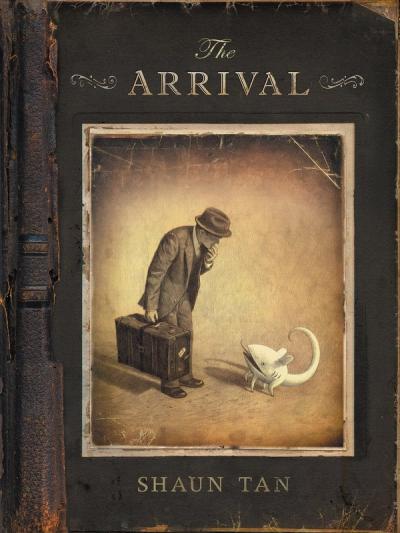
An immigrant's journey. No words. Every feeling.
✦ READ – REFLECT → RESIST
Swimmy
Leo Lionni
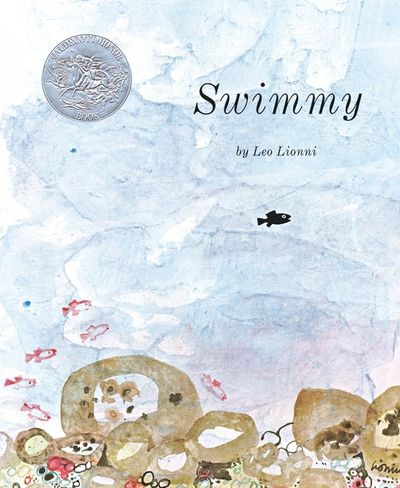
All the small fish were scared. Swimmy had a different idea.
✦ READ – REFLECT → RESIST
Others: A Story for All of Us
Kobi Yamada
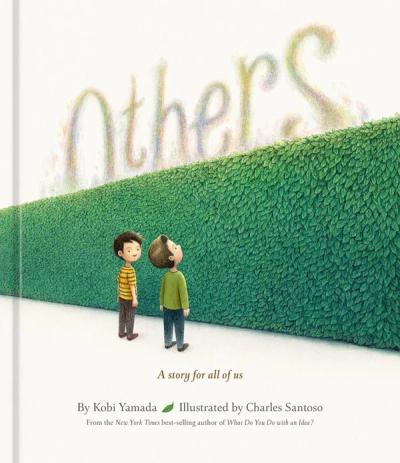
Curiosity beats fear. Every time.
✦ READ – REFLECT → RESIST
The Wild Robot
Peter Brown
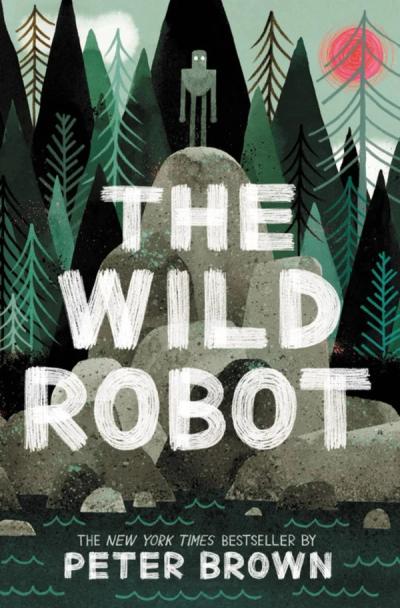
Heartfelt survival with metal parts.
✦ READ – REFLECT → RESIST
For the grown-up bookshelf
Same idea, written for a grown-up. Good for the adult in the room, too.
Me Talk Pretty One Day
David Sedaris

Grammar, meet neurosis.
✦ READ – REFLECT → RESIST
Borderlands/La Frontera
Gloria Anzaldúa
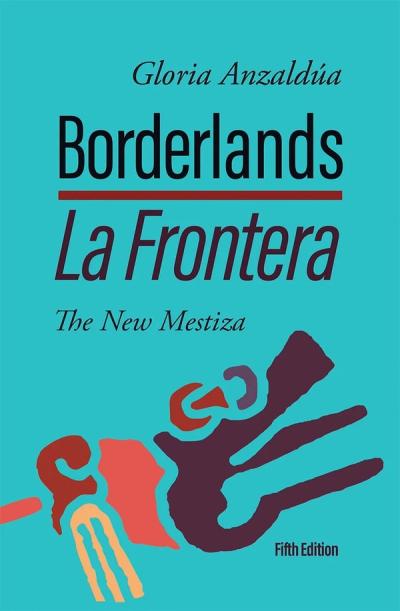
The border isn't a line. It's a wound that won't scar.
✦ READ – REFLECT → RESIST
Honeymoon in Tehran
Azadeh Moaveni
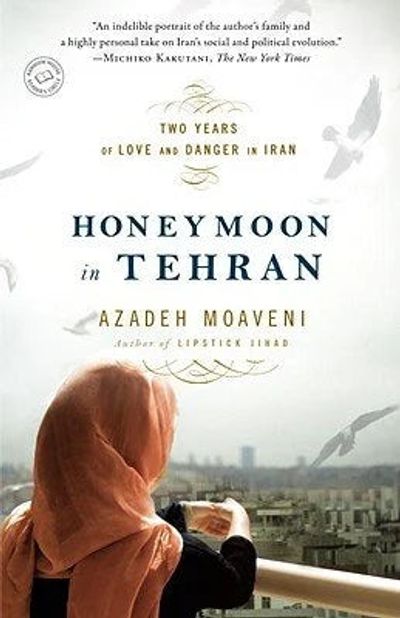
She goes back to Tehran to build a life there.
✦ READ – REFLECT → RESIST
Lipstick Jihad
Azadeh Moaveni
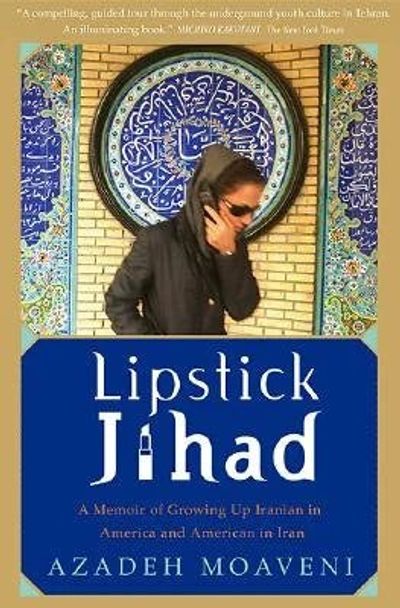
Iranian American, going back to find out what that is.
✦ READ – REFLECT → RESIST