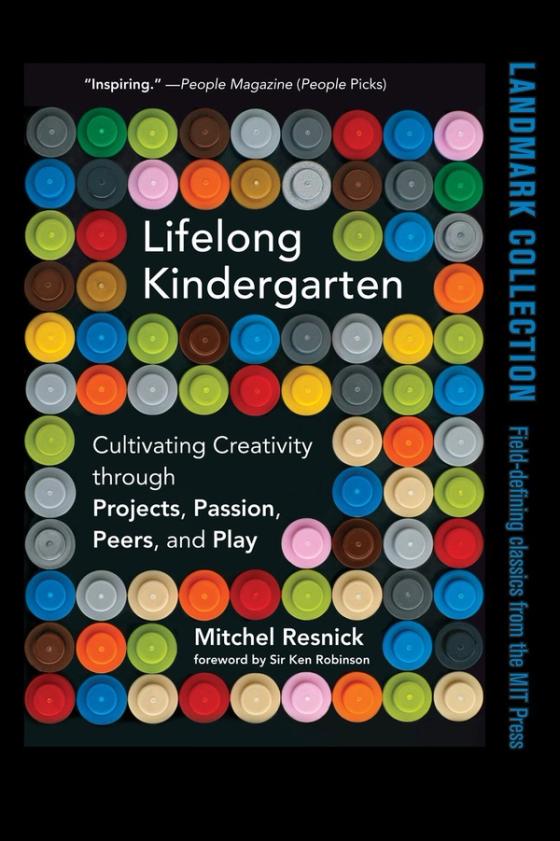
Lifelong Kindergarten
by Mitchel Resnick
Kindergarten works. Stop graduating out of it.
For you if
you want a practical framework for creative learning — projects, passion, peers, play — from someone who built tools that have reached millions of kids
⚡ Choose Your Route ⚡
Not sold directly on this site. Support indie bookstores with a new copy, or go sustainable with a used one.
Buy New on Bookshop.orgSupports independent bookstores
— OR —
Find Used on Better World BooksSecondhand & sustainable
$20 MSRP
Reference price shown. Other editions may be available.
Friedrich Froebel invented kindergarten in 1837 as a radical idea: that young children learn best through play, hands-on materials, and exploration rather than rote instruction. Resnick, an MIT Media Lab professor who created Scratch, the world's largest coding platform for kids, and co-founded the Computer Clubhouse network of after-school learning centers for low-income youth, argues that kindergarten has been hollowed out by worksheets and flashcards just as it's needed more than ever, and that the rest of education, and the rest of life, should move toward kindergarten rather than away from it. His framework is the four Ps: projects (learning by making things), passion (working on what you care about), peers (learning collaboratively), and play (experimenting and taking risks without fear of failure). Drawing on thirty years of watching kids build games, robots, and inventions — a twelve-year-old's diary security system, a remixed animation shared and built on by strangers — Resnick makes the case for creative learning as a lifelong practice rather than something children age out of. The most directly practical translation of Winnicott's and Gray's theory into project-based creative practice on the shelf — Scratch is essentially what Department of Childish Revolution's filmmaking workshops do with cameras instead of code.
Where This Book Lives
Related Viewing
Shares a topic, theme, or setting with this book in the catalog.
Most Likely to Succeed(2015)
dir. Greg Whiteley
The best case for project-based learning, with caveats.
A year inside High Tech High, a San Diego charter school built entirely around project-based learning instead of standardized instruction, following two classes of ninth graders.
Why it’s here: Makes the most vivid case in documentary form for project-based learning over the standard model — but its history of how American schooling got this way has been disputed by actual education historians, and its producers have their own stake in the reform it's arguing for. Worth watching with that critique alongside it, not instead of it.
Same pattern, different era
Different time, different place. The same thing keeps happening.
Sexual Citizens: A Landmark Study of Sex, Power, and Assault on Campus
Jennifer S. Hirsch & Shamus Khan
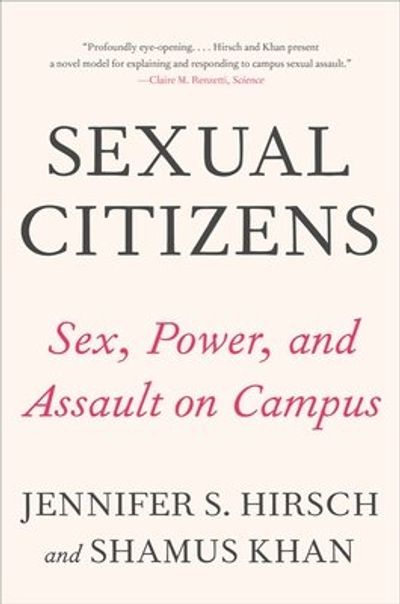
Not a few bad men. A system that works.
✦ READ – REFLECT → RESIST
Lies My Teacher Told Me
James W. Loewen
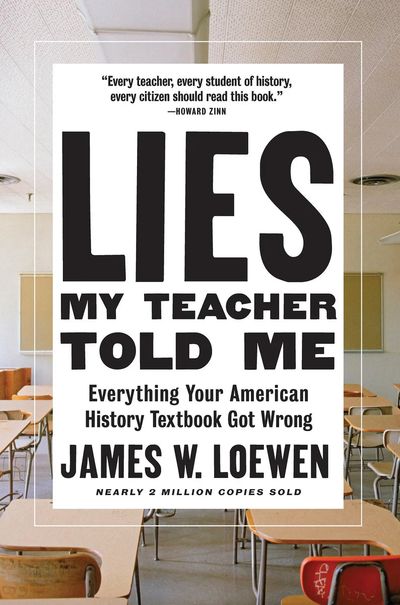
History class—now with honesty.
✦ READ – REFLECT → RESIST
Impro for Storytellers
Keith Johnstone
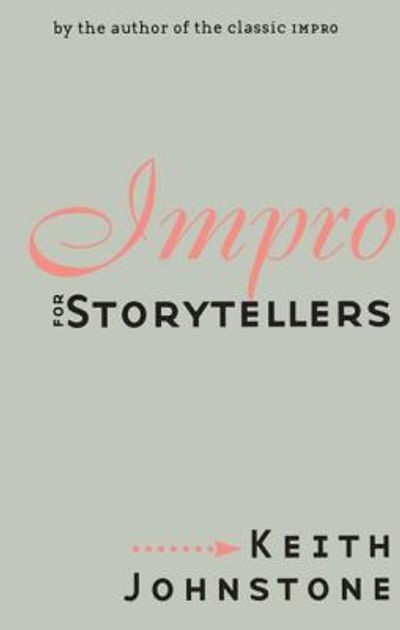
Make it up. Mean it anyway.
✦ READ – REFLECT → RESIST
Privilege: The Making of an Adolescent Elite at St. Paul’s School
Shamus Khan
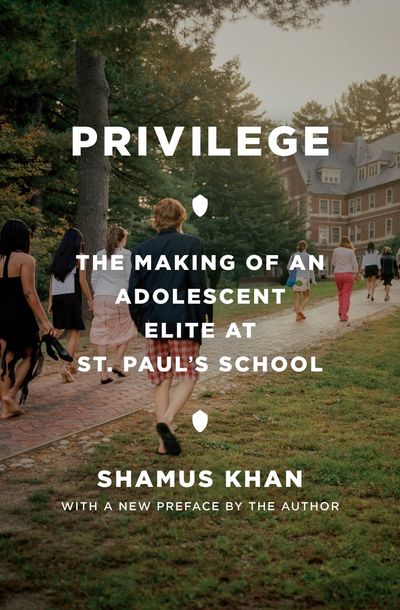
Prep school as power factory.
✦ READ – REFLECT → RESIST
For the family bookshelf
Same idea, written for a younger reader. Good for reading together.
The Phantom Tollbooth
Norton Juster
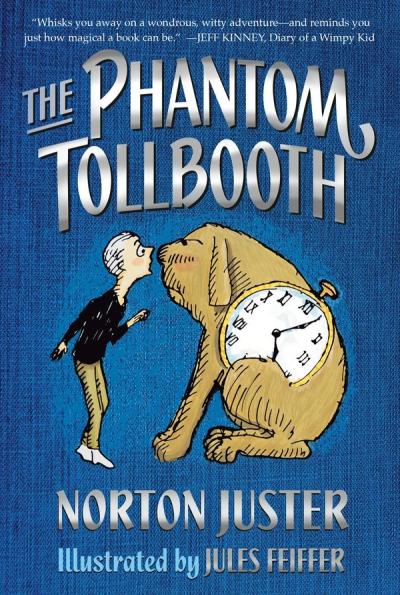
A bored boy drives through a tollbooth. The other side is worth it.
✦ READ – REFLECT → RESIST
Stamped (for Kids)
Jason Reynolds & Ibram X. Kendi
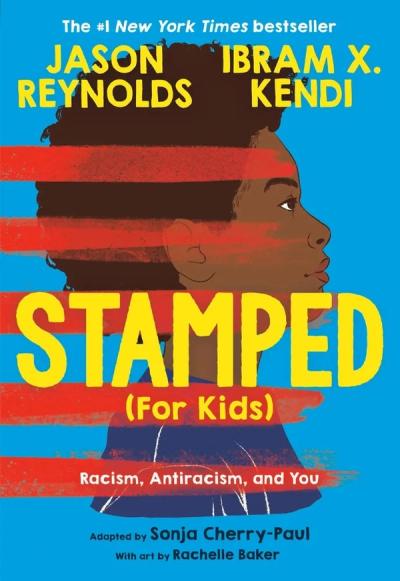
Unlearning racism, one page at a time.
✦ READ – REFLECT → RESIST
Pedagogy of the Oppressed
Paulo Freire
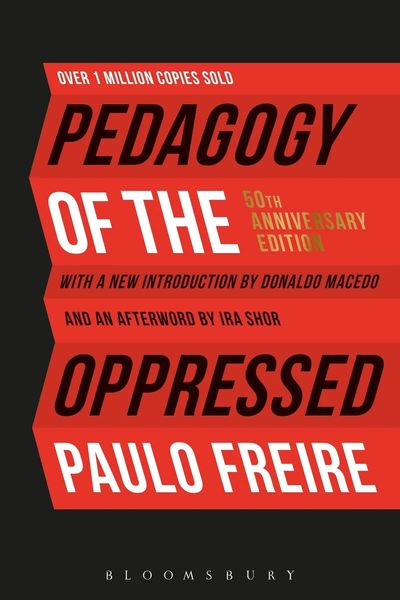
Classroom meets liberation front.
✦ READ – REFLECT → RESIST
The Losers Club
Andrew Clements
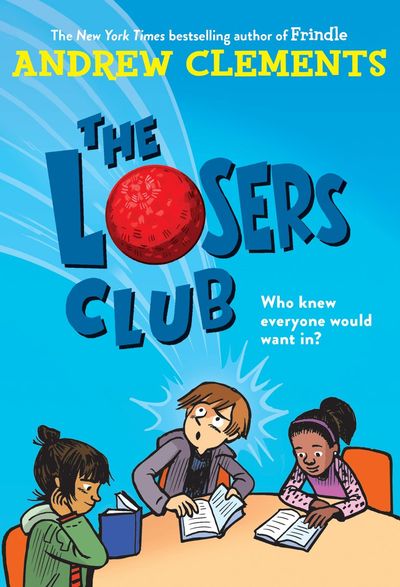
He loves reading. He hates reading club. He starts his own.
✦ READ – REFLECT → RESIST