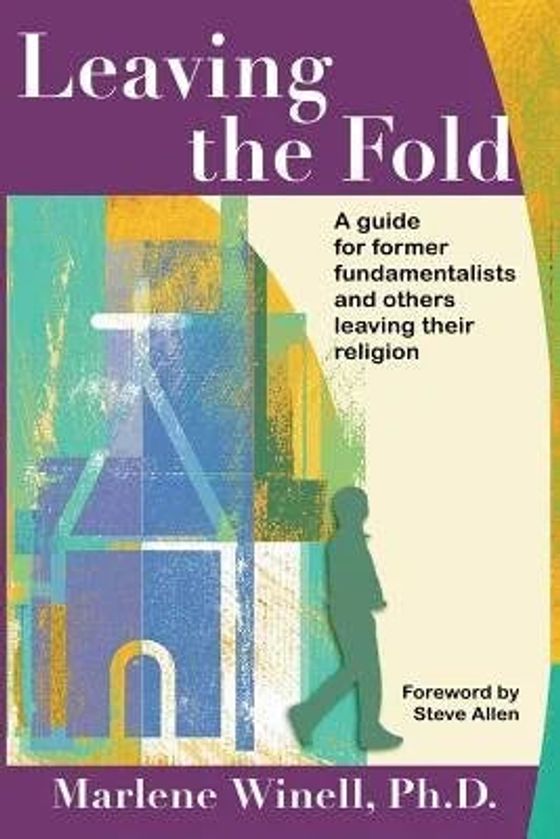
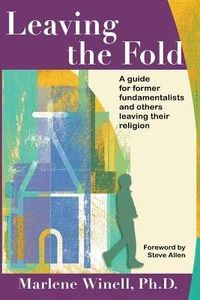
Leaving the Fold
by Marlene Winell
Religious Trauma Syndrome. She named it. Here's how to heal.
For you if
you have left an authoritarian religion and need someone who understands exactly what that costs and has concrete tools for the specific work of recovery
⚡ Choose Your Route ⚡
Not sold directly on this site. Support indie bookstores with a new copy, or go sustainable with a used one.
Buy New on Bookshop.orgSupports independent bookstores
— OR —
Find Used on Better World BooksSecondhand & sustainable
$25 MSRP
Reference price shown. Other editions may be available.
Winell grew up the daughter of a missionary, had a genuine born-again experience, and then spent the next phase of her life figuring out what it cost her — before spending twenty-eight years as a psychologist helping others do the same. She coined the term Religious Trauma Syndrome to name what happens to people who leave authoritarian religion: the grief, the identity crisis, the loss of community, the shame, the specific disorientation of having your entire framework for meaning suddenly removed. This is the only self-help psychology book written specifically for people recovering from toxic religion — not those questioning their faith while remaining comfortable, but those who have left or are leaving and need concrete tools for the specific work of rebuilding a self that was organized entirely around beliefs you no longer hold. The recovery and rebuilding book in the coercive control bundle: Combating Cult Mind Control names the mechanism by which groups capture people's reality, Leaving the Fold shows what it takes to reclaim it. Essential for anyone doing deconstruction work — from fundamentalist Christianity specifically or from any authoritarian religious structure — and for the therapists, family members, and community organizers who support them.
Where This Book Lives
Part of a Reading Journey

Related Viewing
Shares a topic, theme, or setting with this book in the catalog.

Earth(1998)
dir. Deepa Mehta
A child's-eye view of a nation splitting apart.
In 1947 Lahore, an eight-year-old girl from a wealthy Parsi family watches her beloved nanny's circle of Hindu, Muslim, and Sikh friends turn on one another as Partition tears the city apart. Adapted from Bapsi Sidhwa's novel Cracking India.
Why it’s here: Punk in filtering Partition's violence through a child's understanding rather than a historian's distance — Lenny watches trusted adults turn on each other seemingly overnight. Pedagogical in showing how quickly manufactured religious division can override decades of actual, lived friendship.
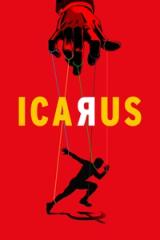
Icarus(2017)
dir. Bryan Fogel
A doping experiment turns into a defection story.
A filmmaker testing performance-enhancing drugs on himself connects with a Russian anti-doping scientist, whose confession blows open a state-sponsored Olympic doping scheme.
Why it’s here: Started as one man's amateur doping experiment and ended up exposing state-run Olympic fraud, because the scientist he recruited to help became the whistleblower instead. Neither of them planned for that, and the film is honest about how much of it was luck.
Same pattern, different era
Different time, different place. The same thing keeps happening.
How to Be a Fascist: A Manual
Michela Murgia
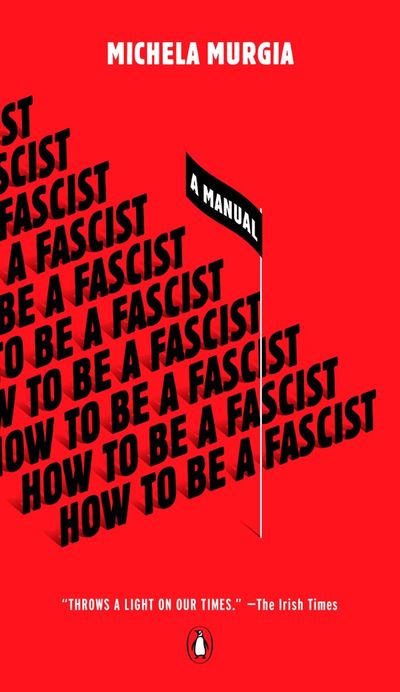
The fascist media playbook, step by step.
✦ READ – REFLECT → RESIST
Autocracy, Inc.: The Dictators Who Want to Run the World
Anne Applebaum
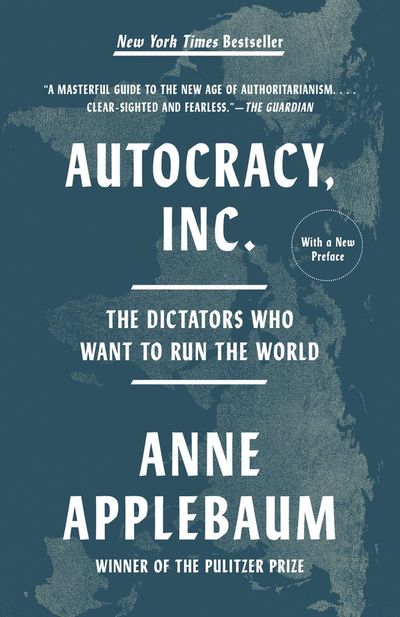
The network behind every strongman.
✦ READ – REFLECT → RESIST
Exit Party
Emily St. John Mandel

Two versions of America. Both feel familiar.
✦ READ – REFLECT → RESIST
The Unbearable Lightness of Being
Milan Kundera
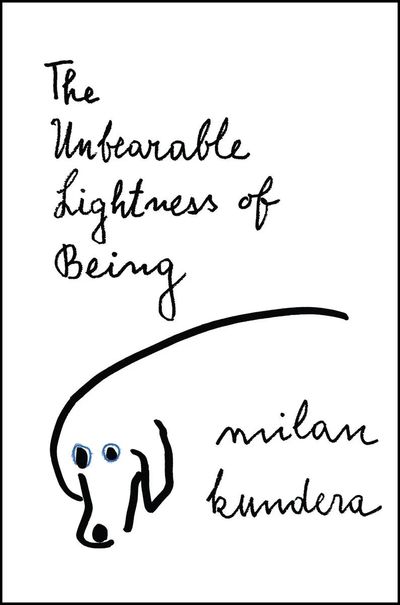
History keeps overwriting your choices. Live anyway.
✦ READ – REFLECT → RESIST
For the family bookshelf
Same idea, written for a younger reader. Good for reading together.