
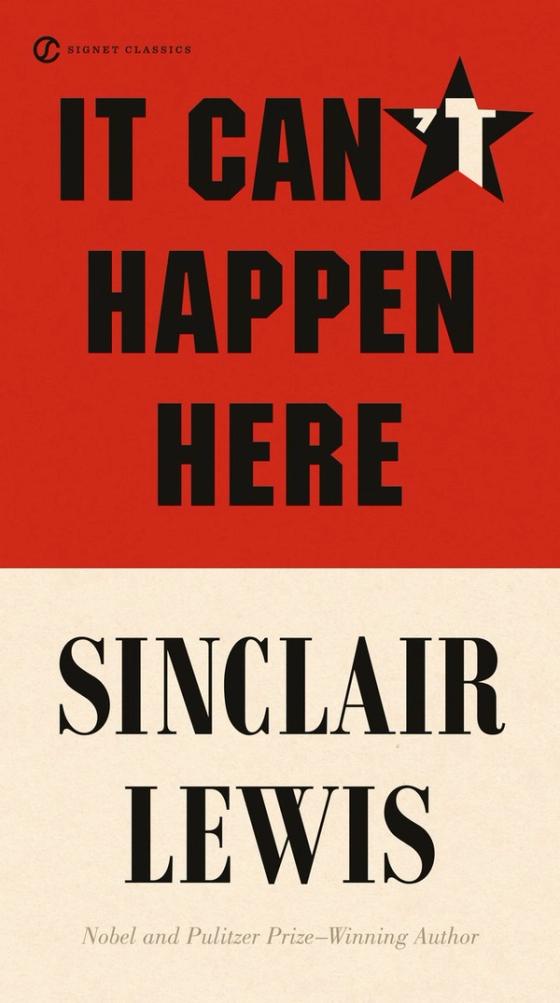
It Can't Happen Here
by Sinclair Lewis
A populist wins in 1936. America becomes a dictatorship. Step by step.
For you if
you want to understand how American fascism would actually arrive — not in jackboots but in the language of patriotism and common sense
⚡ Choose Your Route ⚡
Not sold directly on this site. Support indie bookstores with a new copy, or go sustainable with a used one.
Buy New on Bookshop.orgSupports independent bookstores
— OR —
Find Used on Better World BooksSecondhand & sustainable
$11 MSRP
Reference price shown. Other editions may be available.
Berzelius 'Buzz' Windrip is a folksy, populist senator who wins the 1936 American presidential election on a platform of patriotism, nostalgia, and contempt for elites. Within months he has suspended Congress, established a paramilitary force, and begun rounding up dissidents. Lewis wrote this in 1935 — watching European fascism from across the Atlantic — as a direct warning that American exceptionalism was not a shield. The novel follows Doremus Jessup, a Vermont newspaper editor who starts out skeptical that it's really happening and ends up in a labor camp. Lewis named every mechanism: the complicit press, the accommodating clergy, the neighbors who inform. Published ninety years ago. Feels like it was written last week.
Where This Book Lives
Part of a Reading Journey


Related Viewing
Shares a topic, theme, or setting with this book in the catalog.

Citizenfour(2014)
dir. Laura Poitras
Filmed in the room where the leak actually happened.
Laura Poitras films Edward Snowden's first meetings with journalists in a Hong Kong hotel room as he hands over evidence of mass NSA surveillance.
Why it’s here: Poitras was already filming when Snowden reached out, so this isn't reconstructed after the fact — it's the actual hotel room, the actual first read of the documents, tension that isn't staged because nobody knew yet how it would end.
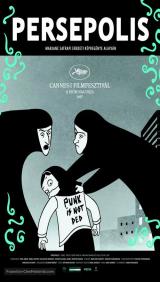
Persepolis(2007)
dir. Marjane Satrapi & Vincent Paronnaud
Her own memoir, animated — testimony, not reportage.
Animated adaptation of Satrapi's own graphic memoir — a girl coming of age in Tehran during and after the 1979 revolution, then in exile, then back home as an adult reckoning with who she's become.
Why it’s here: Satrapi adapted her own story, so nothing here is secondhand. Punk in the plainest sense: the Iranian government denounced it, and she made it anyway. Pedagogical in that it teaches a kid what authoritarianism actually feels like to live through — not the textbook timeline, the daily compromises.
Same event, different angle
The same history — told by someone who saw it differently.
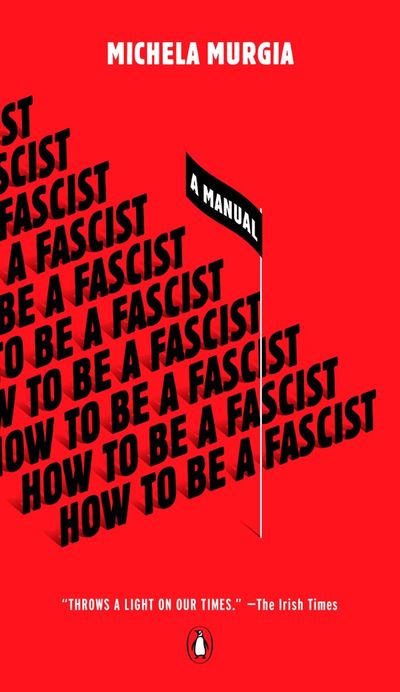
Same pattern, different era
Different time, different place. The same thing keeps happening.
End Times Fascism: And the Fight for the Living World
Naomi Klein and Astra Taylor
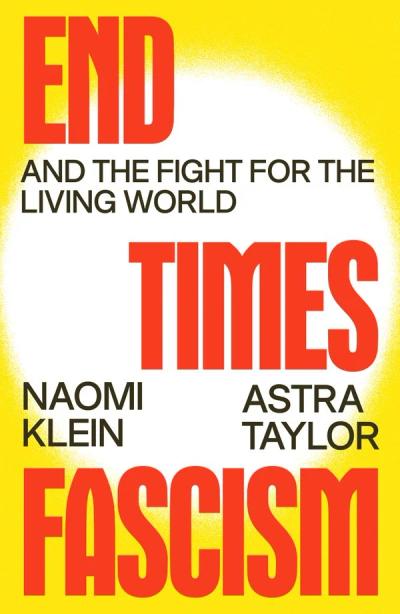
Apocalypse as political strategy.
✦ READ – REFLECT → RESIST
Rhinoceros and Other Plays
Eugène Ionesco

Fascism turns people into rhinos.
✦ READ – REFLECT → RESIST
The Resistible Rise of Arturo Ui
Bertolt Brecht
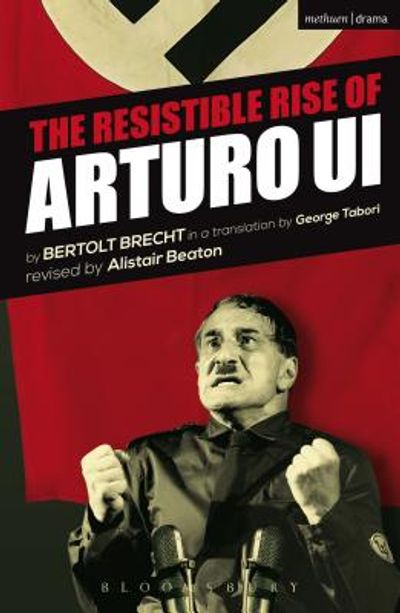
Fascism, but make it vaudeville.
✦ READ – REFLECT → RESIST
Look Who's Back
Timur Vermes

Hitler wakes up in 2011. Gets a TV show. Goes viral.
✦ READ – REFLECT → RESIST