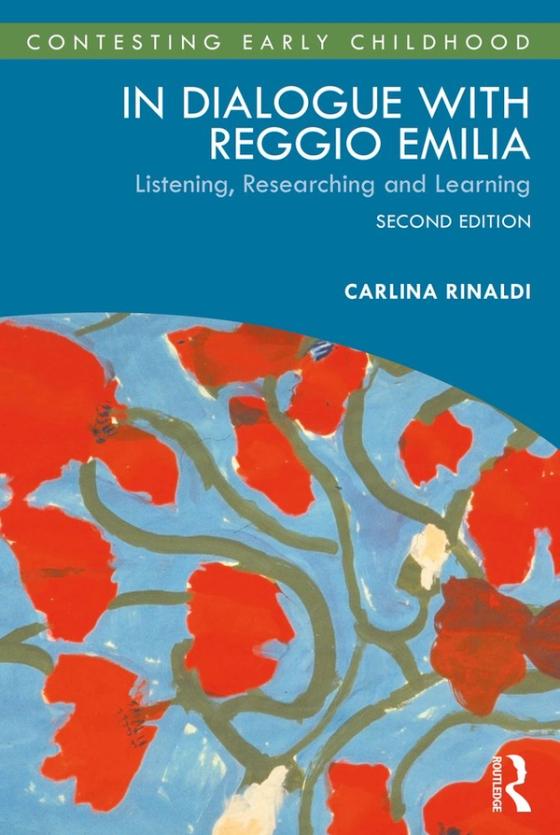
In Dialogue with Reggio Emilia
by Carlina Rinaldi
The woman who carried Reggio forward. In her own words.
For you if
you want to understand the Reggio Emilia philosophy in depth: why listening is political, why documentation is research, why creativity is an orientation not a subject
⚡ Choose Your Route ⚡
Not sold directly on this site. Support indie bookstores with a new copy, or go sustainable with a used one.
Buy New on Bookshop.orgSupports independent bookstores
— OR —
Find Used on Better World BooksSecondhand & sustainable
$49 MSRP
Reference price shown. Other editions may be available.
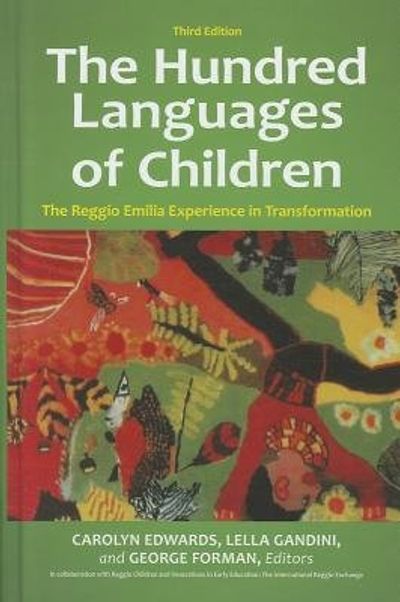
Rinaldi started working in Reggio Emilia in 1970, first as a pedagogista under Loris Malaguzzi, then as his successor as pedagogical director of the municipal early childhood centres — the schools built by the women of Reggio Emilia from the proceeds of a sold Nazi tank, which became the most celebrated early childhood education system in the world. This collection of her most important articles, lectures, and interviews — organized thematically and contextualized with full introductions — is the most complete account of the Reggio philosophy in its living form. Where The Hundred Languages of Children documents what the schools look like, Rinaldi explains why they work: why listening is a political act, why documentation is a form of research, why creativity is not a subject to be taught but an orientation toward the world that education either nourishes or extinguishes. She takes on the questions that every DoCR facilitator will face: what does it mean to participate rather than deliver, to research rather than instruct, to be in dialogue with a child rather than in authority over one? The most authoritative contemporary voice on the Reggio approach and the essential companion to The Hundred Languages of Children for anyone building a program in the Department of Childish Revolution tradition.
Where This Book Lives
- Topics
- reggio emilia
Same event, different angle
The same history — told by someone who saw it differently.
Same pattern, different era
Different time, different place. The same thing keeps happening.