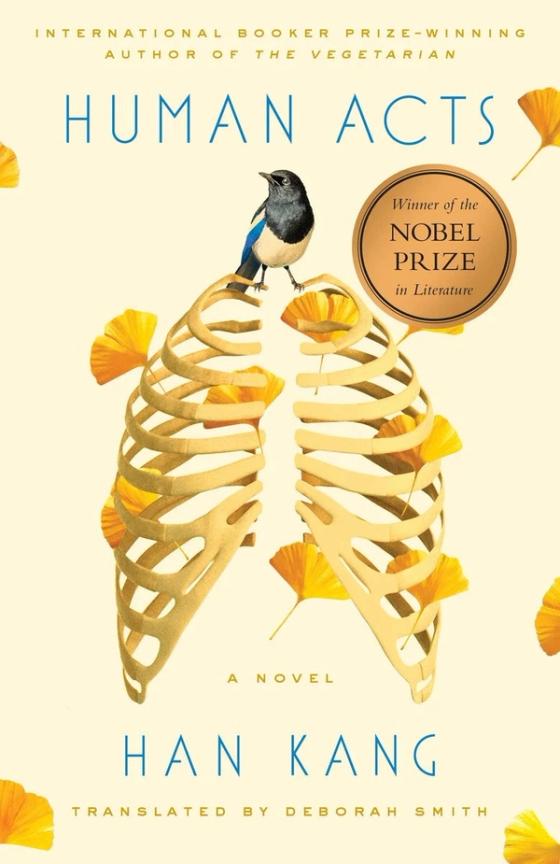
Human Acts
by Han Kang
The Gwangju massacre. Six voices. The state that buried them.
For you if
you want to understand state violence against its own citizens through the specific people it happened to
⚡ Choose Your Route ⚡
Not sold directly on this site. Support indie bookstores with a new copy, or go sustainable with a used one.
Buy New on Bookshop.orgSupports independent bookstores
— OR —
Find Used on Better World BooksSecondhand & sustainable
$18 MSRP
Reference price shown. Other editions may be available.
In May 1980 the South Korean military massacred hundreds of pro-democracy protesters in Gwangju. The government suppressed the story for decades. Han Kang — who grew up in Gwangju — reconstructs the massacre through six voices across different time periods: a boy looking for his friend's body, a factory girl who helped the uprising, a prisoner who was tortured, a publisher, a woman who survived. Each section is written in a different tense and person. The most politically important Korean novel ever written in English translation and the one that cost Han Kang the most to write.
Where This Book Lives
- Setting
- South Korea • East Asia
- Voice
- Written by a South Korean author
- Topics
- gwangju uprising
Related Viewing
Shares a topic, theme, or setting with this book in the catalog.
It Was Just an Accident(2025)
dir. Jafar Panahi
Is this the man who tortured him? He has to know.
A mechanic in Iran becomes convinced that a man he's crossed paths with is the blindfolded interrogator who once tortured him in prison — and enlists other former detainees to help him confirm it, with escalating and morally uncertain consequences.
Why it’s here: Punk in the literal sense that its own existence defies a state filmmaking ban — Panahi shot this clandestinely after his own imprisonment, and it's his most direct attack yet on Iran's security apparatus. Pedagogical in refusing easy catharsis: revenge here is morally murky, and the film makes you sit with that uncertainty rather than cheering a clean reckoning.
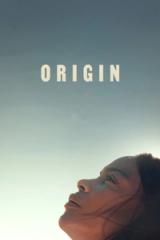
Origin(2023)
dir. Ava DuVernay
Racism is the symptom. Caste is the disease.
While grappling with personal loss, Pulitzer-winning writer Isabel Wilkerson traces a hidden architecture connecting racial hierarchy in America, the caste system in India, and the machinery of Nazi Germany. Adapted from Wilkerson's book Caste: The Origins of Our Discontents.
Why it’s here: Punk in daring to name America's racial order as a caste system, kin to India's and Nazi Germany's, rather than a uniquely American aberration. Pedagogical in dramatizing how a writer's own grief becomes the engine of rigorous, world-spanning research.
Same pattern, different era
Different time, different place. The same thing keeps happening.
Fellini on Fellini
Federico Fellini
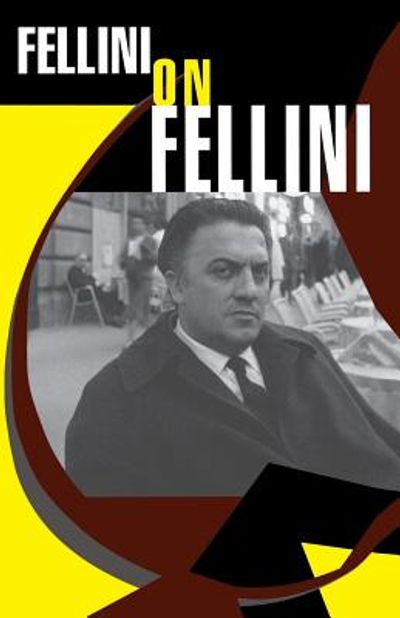
The dreamer’s confessions.
✦ READ – REFLECT → RESIST
The Book of Embraces
Eduardo Galeano
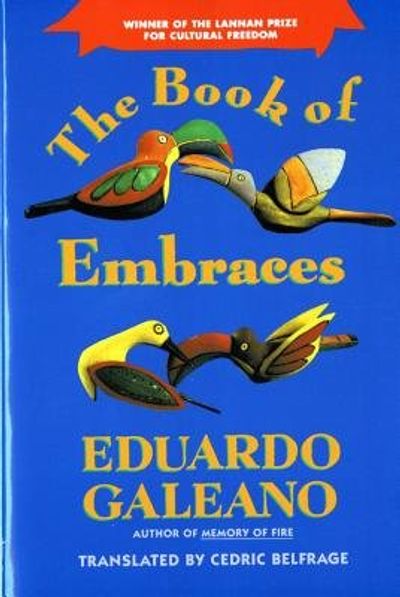
A thousand small truths told sideways.
✦ READ – REFLECT → RESIST
The Humanity Archive
Jermaine Fowler
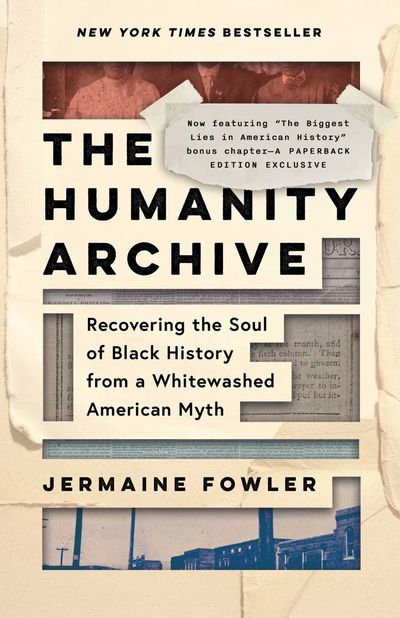
Reclaiming history’s stolen spotlight.
✦ READ – REFLECT → RESIST
The 1619 Project
Nikole Hannah-Jones
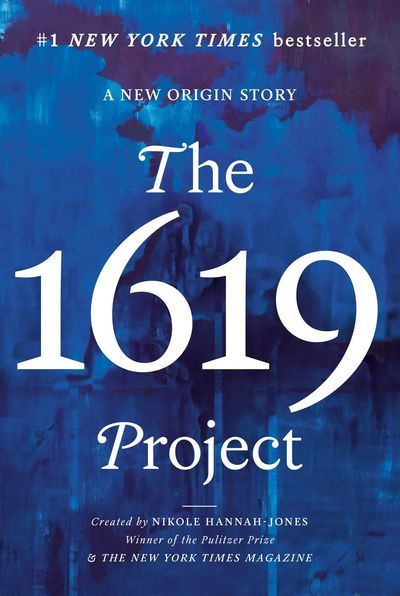
The remix that shook America’s timeline.
✦ READ – REFLECT → RESIST
Flip the lens
Same country. Now hear it from the other side.
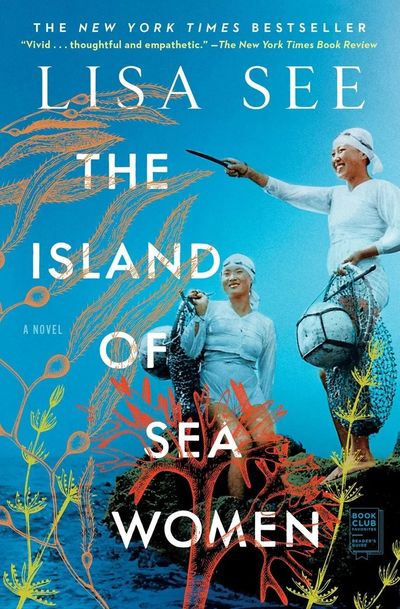
For the family bookshelf
Same idea, written for a younger reader. Good for reading together.