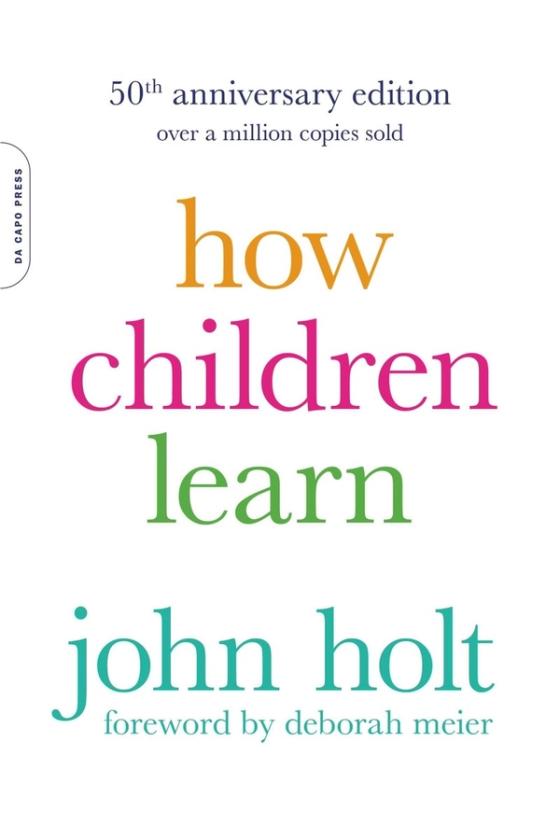
How Children Learn
by John Holt
Children are born knowing how to learn. Here's what that looks like.
For you if
you want to understand what genuine learning looks like before grades, before curriculum, before anyone decided what children were supposed to know
⚡ Choose Your Route ⚡
Not sold directly on this site. Support indie bookstores with a new copy, or go sustainable with a used one.
Buy New on Bookshop.orgSupports independent bookstores
— OR —
Find Used on Better World BooksSecondhand & sustainable
$20 MSRP
Reference price shown. Other editions may be available.
The companion to How Children Fail, focused on what genuine learning looks like when children are free to pursue it. Holt documents children learning to walk, talk, read, do mathematics — through play, through curiosity, through genuine need, through the pleasure of mastery — and shows that the capacity for learning is not something that needs to be installed by teachers but something children are born with and that institutions systematically interrupt. The most important book for understanding what learning actually is before schools get involved. Where How Children Fail shows what the institution destroys, How Children Learn shows what was there before the institution arrived — the natural hunger for understanding that every child brings into the world and that the right conditions can sustain indefinitely. Read alongside Playing and Reality, Free to Learn, and The Hundred Languages of Children as the complete account of what children are capable of when trusted.
Where This Book Lives
Related Viewing
Shares a topic, theme, or setting with this book in the catalog.
Most Likely to Succeed(2015)
dir. Greg Whiteley
The best case for project-based learning, with caveats.
A year inside High Tech High, a San Diego charter school built entirely around project-based learning instead of standardized instruction, following two classes of ninth graders.
Why it’s here: Makes the most vivid case in documentary form for project-based learning over the standard model — but its history of how American schooling got this way has been disputed by actual education historians, and its producers have their own stake in the reform it's arguing for. Worth watching with that critique alongside it, not instead of it.
Same pattern, different era
Different time, different place. The same thing keeps happening.
Sexual Citizens: A Landmark Study of Sex, Power, and Assault on Campus
Jennifer S. Hirsch & Shamus Khan
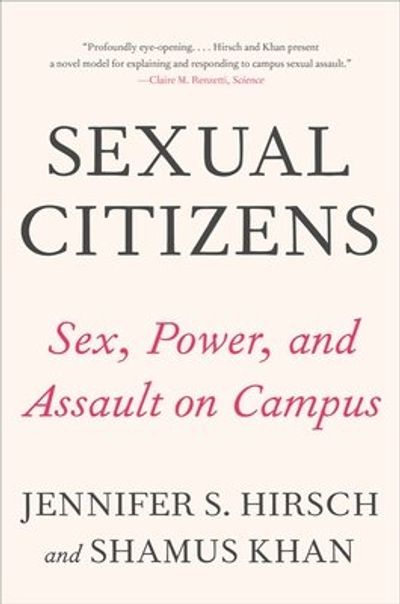
Not a few bad men. A system that works.
✦ READ – REFLECT → RESIST
Lies My Teacher Told Me
James W. Loewen
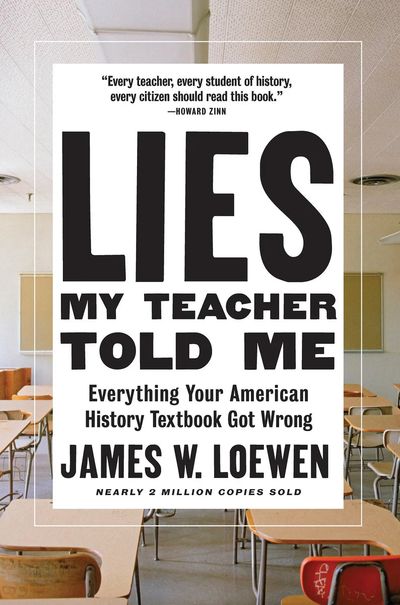
History class—now with honesty.
✦ READ – REFLECT → RESIST
Impro for Storytellers
Keith Johnstone
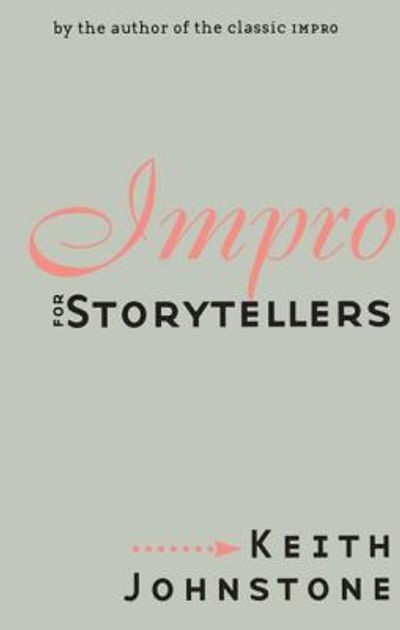
Make it up. Mean it anyway.
✦ READ – REFLECT → RESIST
Privilege: The Making of an Adolescent Elite at St. Paul’s School
Shamus Khan
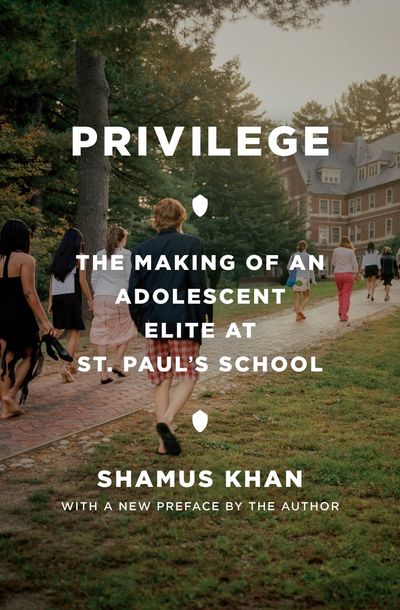
Prep school as power factory.
✦ READ – REFLECT → RESIST
For the family bookshelf
Same idea, written for a younger reader. Good for reading together.
The Phantom Tollbooth
Norton Juster
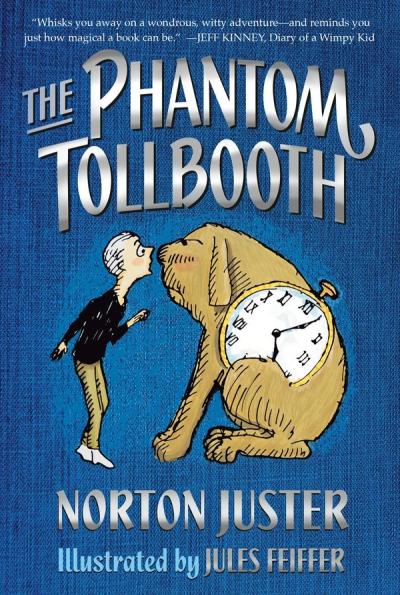
A bored boy drives through a tollbooth. The other side is worth it.
✦ READ – REFLECT → RESIST
Stamped (for Kids)
Jason Reynolds & Ibram X. Kendi
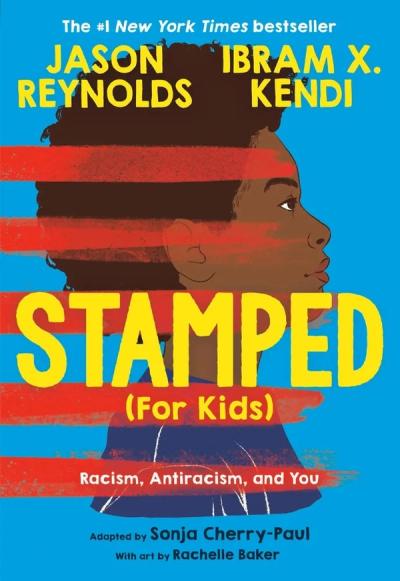
Unlearning racism, one page at a time.
✦ READ – REFLECT → RESIST
Pedagogy of the Oppressed
Paulo Freire
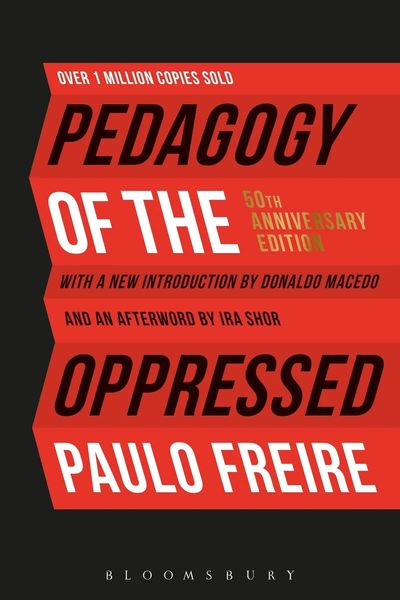
Classroom meets liberation front.
✦ READ – REFLECT → RESIST
The Losers Club
Andrew Clements
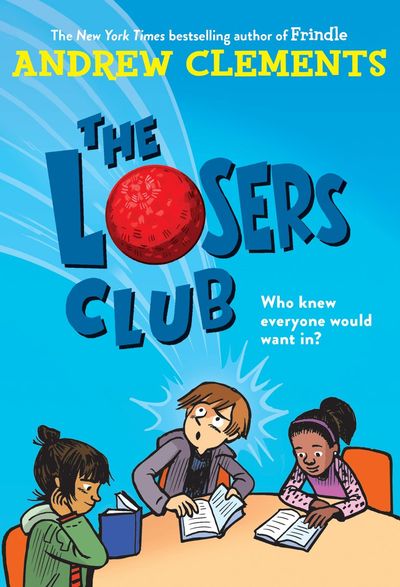
He loves reading. He hates reading club. He starts his own.
✦ READ – REFLECT → RESIST