
Democracy in Chains
by Nancy McLean
Buchanan believed democracy was the problem. Koch agreed.
For you if
you want to understand how the language of freedom and individual choice became the primary tool for dismantling democratic governance — and who built that tool and why
⚡ Choose Your Route ⚡
Not sold directly on this site. Support indie bookstores with a new copy, or go sustainable with a used one.
Buy New on Bookshop.orgSupports independent bookstores
— OR —
Find Used on Better World BooksSecondhand & sustainable
$18 MSRP
Reference price shown. Other editions may be available.
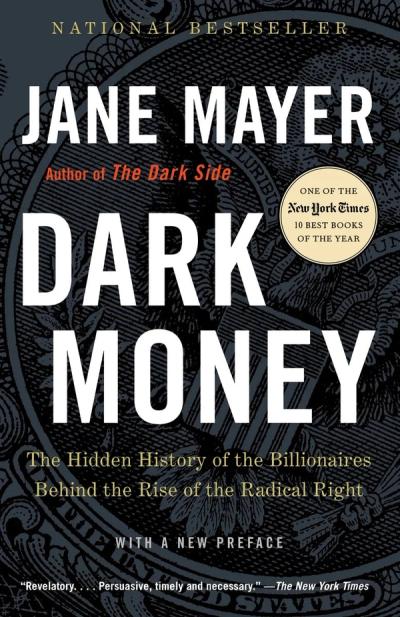
In 1956, the year after Brown v. Board of Education, James McGill Buchanan — a Tennessee economist at the University of Virginia — began developing the intellectual framework that would eventually provide the philosophical foundation for the Koch brothers' decades-long campaign to dismantle democratic governance. MacLean, a Duke historian with access to Buchanan's personal papers, traces the sixty-year arc from Buchanan's original insight — that democracy itself was the problem, that majority rule was a form of tyranny against those with capital — through his alliance with Charles Koch, the capture of George Mason University, and the construction of the most sophisticated and well-funded anti-democratic infrastructure in American history. The broad argument is essential: that the language of freedom, choice, and individual rights has been systematically weaponized against the democratic mechanisms by which majorities could challenge concentrated wealth. MacLean's specific claims about Buchanan's intentions and the degree of coordination have been contested by libertarian scholars, some of whom have documented conflicts of interest and some of whom have documented real evidentiary problems with her sourcing. Read it alongside Jane Mayer's Dark Money, which covers the Koch network from a journalistic angle with a more cautious evidentiary standard. Together they are the most complete account available of how the radical right built its infrastructure.
Where This Book Lives
- Setting
- North America
- Voice
- Written by a North America author



Related Viewing
Shares a topic, theme, or setting with this book in the catalog.

Citizenfour(2014)
dir. Laura Poitras
Filmed in the room where the leak actually happened.
Laura Poitras films Edward Snowden's first meetings with journalists in a Hong Kong hotel room as he hands over evidence of mass NSA surveillance.
Why it’s here: Poitras was already filming when Snowden reached out, so this isn't reconstructed after the fact — it's the actual hotel room, the actual first read of the documents, tension that isn't staged because nobody knew yet how it would end.
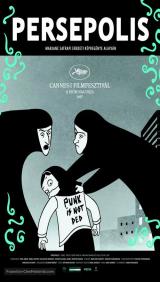
Persepolis(2007)
dir. Marjane Satrapi & Vincent Paronnaud
Her own memoir, animated — testimony, not reportage.
Animated adaptation of Satrapi's own graphic memoir — a girl coming of age in Tehran during and after the 1979 revolution, then in exile, then back home as an adult reckoning with who she's become.
Why it’s here: Satrapi adapted her own story, so nothing here is secondhand. Punk in the plainest sense: the Iranian government denounced it, and she made it anyway. Pedagogical in that it teaches a kid what authoritarianism actually feels like to live through — not the textbook timeline, the daily compromises.
Same event, different angle
The same history — told by someone who saw it differently.
Same pattern, different era
Different time, different place. The same thing keeps happening.
End Times Fascism: And the Fight for the Living World
Naomi Klein and Astra Taylor
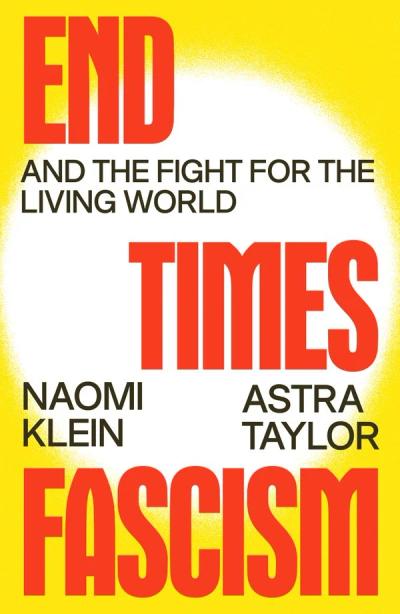
Apocalypse as political strategy.
✦ READ – REFLECT → RESIST
The Resistible Rise of Arturo Ui
Bertolt Brecht
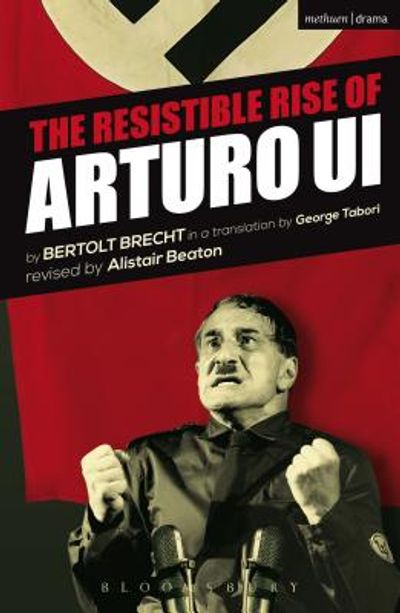
Fascism, but make it vaudeville.
✦ READ – REFLECT → RESIST
Internment
Samira Ahmed
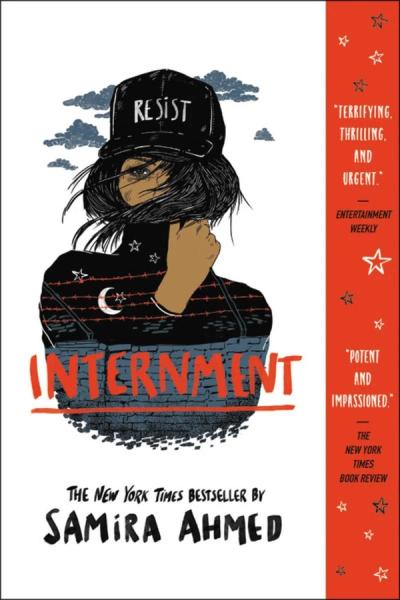
Resistance from inside the camp
✦ READ – REFLECT → RESIST
Rest Is Resistance
Tricia Hersey
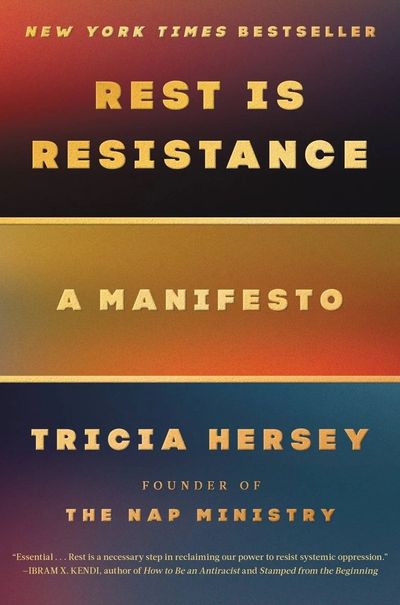
you are exhausted and need someone to tell you that your exhaustion is political and that rest is not laziness but resistance
✦ READ – REFLECT → RESIST
For the family bookshelf
Same idea, written for a younger reader. Good for reading together.