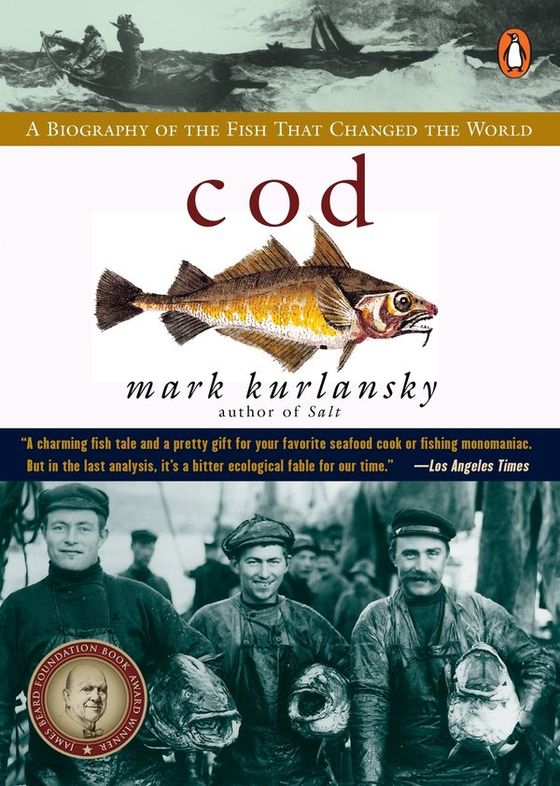
Cod: A Biography of the Fish That Changed the World
by Mark Kurlansky
One fish built the colonies, fueled the slave trade, then vanished.
For you if
you want to understand how colonial extraction and industrial capitalism work — through the complete history of a single fish that powered five centuries of it
⚡ Choose Your Route ⚡
Not sold directly on this site. Support indie bookstores with a new copy, or go sustainable with a used one.
Buy New on Bookshop.orgSupports independent bookstores
— OR —
Find Used on Better World BooksSecondhand & sustainable
$17 MSRP
Reference price shown. Other editions may be available.
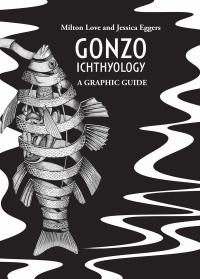
Kurlansky traces the entire arc of Western colonialism, the Newfoundland fisheries, the slave trade triangle, the collapse of the Grand Banks, and the catastrophic failure of modern fishery management through the history of a single fish. The argument embedded in the title is not metaphorical: cod shaped the European discovery of North America, fueled the triangle trade that powered the slave economy, built the fishing communities of New England and the Maritime provinces across five centuries, and then disappeared — not because of bad luck or natural cycles but because industrial fishing extracted it faster than it could reproduce while governments and fishing industries insisted the collapse wasn't happening until it had already happened. Kurlansky invented the single-commodity history genre with this book, and it remains the most important example of what that genre can do: use one thing — a fish, a spice, a metal — as the lens through which an entire economic and political system becomes suddenly legible. The most important environmental history book on the shelf for understanding how colonial extraction works at the species level, and how the people responsible for preventing collapse reliably prioritize short-term economic interests over the evidence in front of them. Gonzo Ichthyology celebrates everything fish are. This book documents what we did to them.
Where This Book Lives
- Setting
- North America
- Voice
- An outside perspective on North America
Part of a Reading Journey
Related Viewing
Shares a topic, theme, or setting with this book in the catalog.
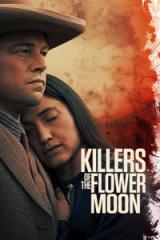
Killers of the Flower Moon(2023)
dir. Martin Scorsese
Murder for money, disguised as marriage.
In 1920s Oklahoma, oil wealth makes the Osage Nation targets of a systematic campaign of murder, exploitation, and legalized theft, carried out in part by white men who married into Osage families. Adapted from David Grann's book of the same name.
Why it’s here: Punk in centering Mollie Burkhart's interiority instead of turning her murder into a backdrop for a white antihero's guilt. Pedagogical in showing how legalized guardianship and "headrights" turned bureaucracy itself into a weapon against the Osage.
Same event, different angle
The same history — told by someone who saw it differently.
Omeros
Derek Walcott
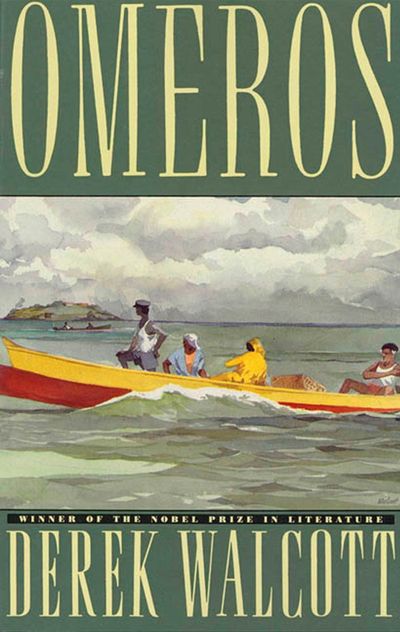
Homer's Odyssey, reborn in the Caribbean.
✦ READ – REFLECT → RESIST
Debt: The First 5,000 Years
David Graeber
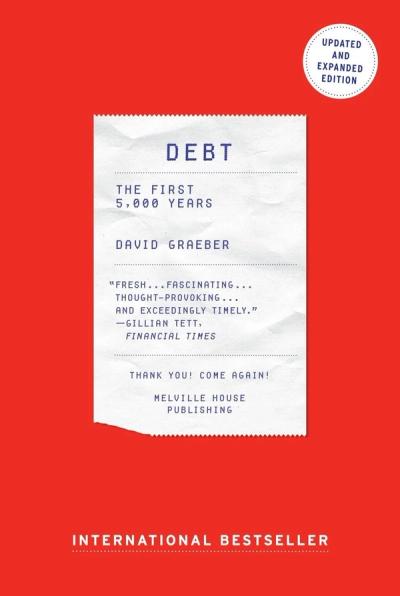
Debt is 5,000 years old. It was always about power.
✦ READ – REFLECT → RESIST
Stamped: Racism, Antiracism, and You
Jason Reynolds and Ibram X. Kendi
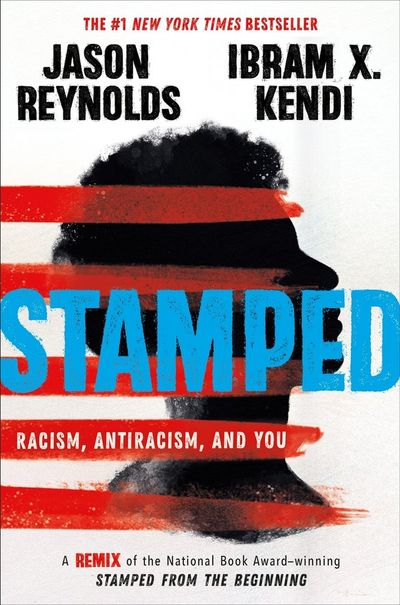
The history of racist ideas — who made them and why
✦ READ – REFLECT → RESIST
The Interesting Narrative of the Life of Olaudah Equiano
Olaudah Equiano
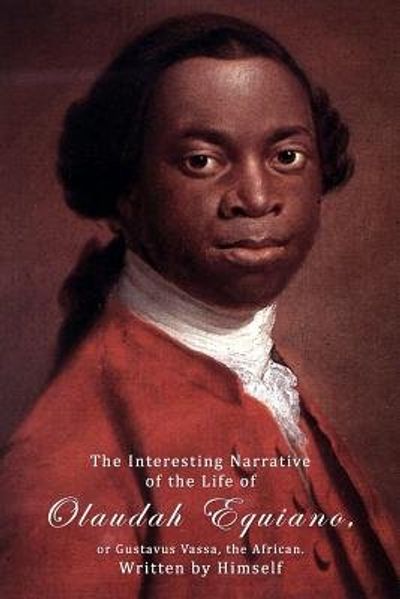
First dispatch from the slave trade. He survived.
✦ READ – REFLECT → RESIST
Same pattern, different era
Different time, different place. The same thing keeps happening.
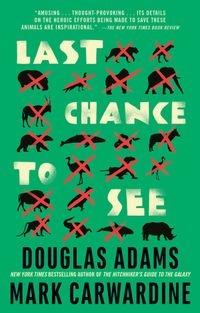
Last Chance to See
Douglas Adams & Mark Carwardine
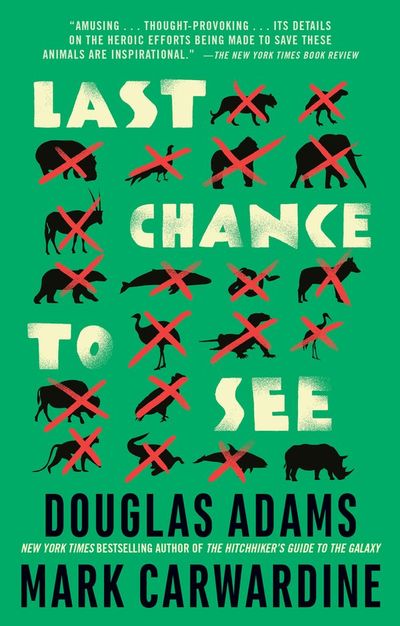
He found the last ones. Some are gone now. He was funny about it.
✦ READ – REFLECT → RESIST
All the Shah's Men
Stephen Kinzer

The CIA overthrew Iran's democracy. For oil.
✦ READ – REFLECT → RESIST
The Sixth Extinction
Elizabeth Kolbert
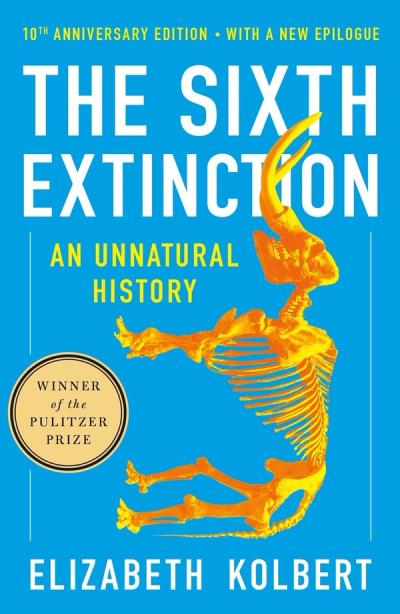
Five extinctions before us. We are the sixth. She documents it.
✦ READ – REFLECT → RESIST
Fathoms: The World in the Whale
Rebecca Giggs
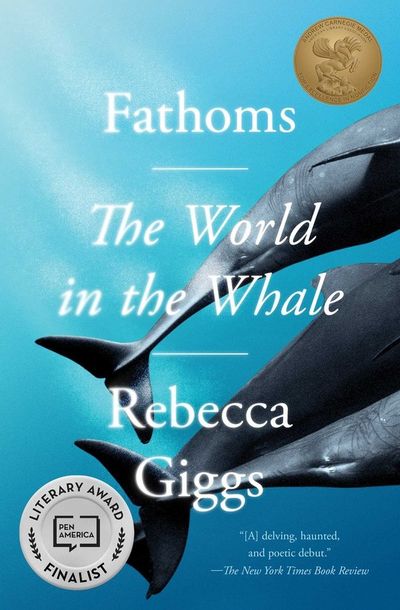
A whale died on her beach. The whole world was inside it.
✦ READ – REFLECT → RESIST