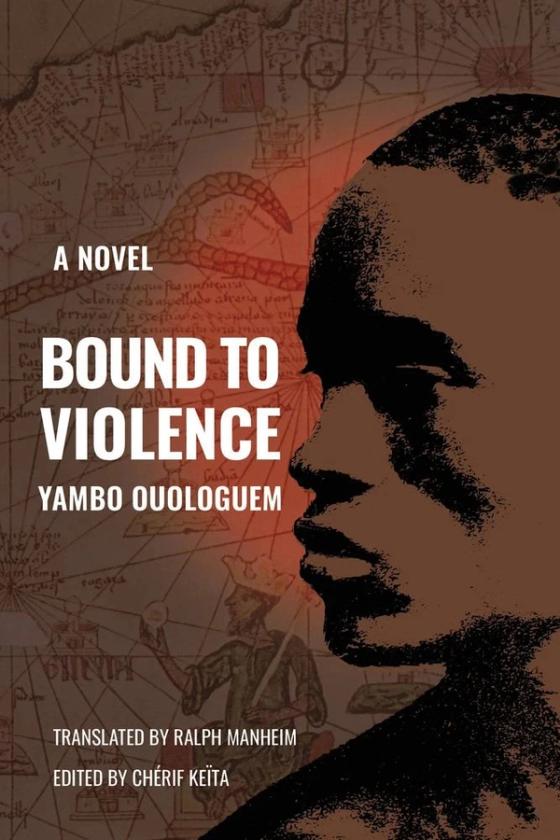
Bound to Violence
by Yambo Ouologuem
Seven centuries of slavery, empire, and betrayal.
For you if
you want African literature that refuses to be noble or comforting about what Africans did to each other as well as what was done to them
⚡ Choose Your Route ⚡
Not sold directly on this site. Support indie bookstores with a new copy, or go sustainable with a used one.
Buy New on Bookshop.orgSupports independent bookstores
— OR —
Find Used on Better World BooksSecondhand & sustainable
$20 MSRP
Reference price shown. Other editions may be available.
Ouologuem's 1968 novel — the first sub-Saharan African novel to win the Prix Renaudot — traces a fictional dynasty's participation in the slave trade, their collaboration with colonial powers, their self-perpetuating violence. It is deliberately provocative: an African writer refusing the narrative of pure African victimhood and insisting on the full complexity of African history. Controversial, complicated, essential. A dispatch that made everyone uncomfortable, which is exactly what it intended.
Where This Book Lives
- Setting
- Mali • West Africa
- Voice
- Written by a Malian author
Related Viewing
Shares a topic, theme, or setting with this book in the catalog.
City of God(2002)
dir. Fernando Meirelles & Kátia Lund
Crime starts with having nowhere else to go.
Across three decades in a Rio de Janeiro favela, a would-be photographer named Rocket watches childhood friends rise and fall in an escalating war between rival drug gangs. Adapted from Paulo Lins's novel.
Why it’s here: Punk in refusing poverty-porn distance — Rocket's camera loves this place even while showing exactly how it consumes its kids. Pedagogical in tracing how a neighborhood's violence is manufactured by absence: no jobs, no school, no state, just guns filling the vacuum.
Pedro Páramo(2024)
dir. Rodrigo Prieto
A ghost town where the dead won't stop talking.
A man travels to his late mother's hometown to find the father he never knew, only to discover Comala is a ghost town in the most literal sense — populated by the dead, still narrating the tyranny of the cacique who once ruled it. Adapted from Juan Rulfo's novel.
Why it’s here: Punk in blurring the line between the living and the dead until power and guilt outlast the man who held them — Pedro Páramo's tyranny haunts Comala long after his death. Pedagogical in showing how one man's greed can hollow out an entire town's future.
Same event, different angle
The same history — told by someone who saw it differently.
The Interesting Narrative of the Life of Olaudah Equiano
Olaudah Equiano
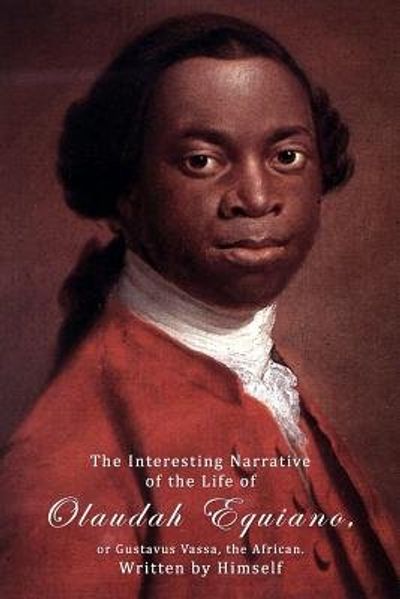
First dispatch from the slave trade. He survived.
✦ READ – REFLECT → RESIST
Homegoing
Yaa Gyasi
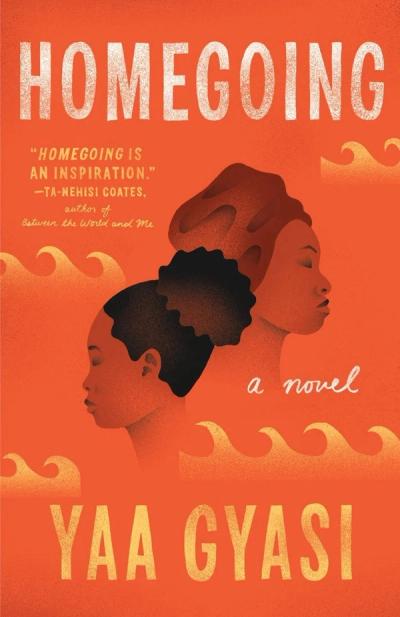
Two sisters. Seven generations of consequence.
✦ READ – REFLECT → RESIST
Roots
Alex Haley
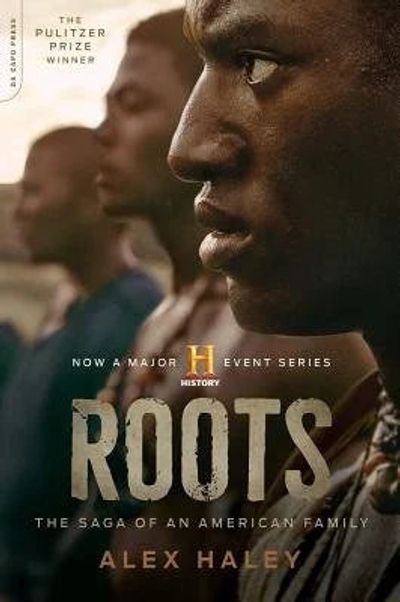
Tracing one American family back to where it began.
✦ READ – REFLECT → RESIST
Omeros
Derek Walcott
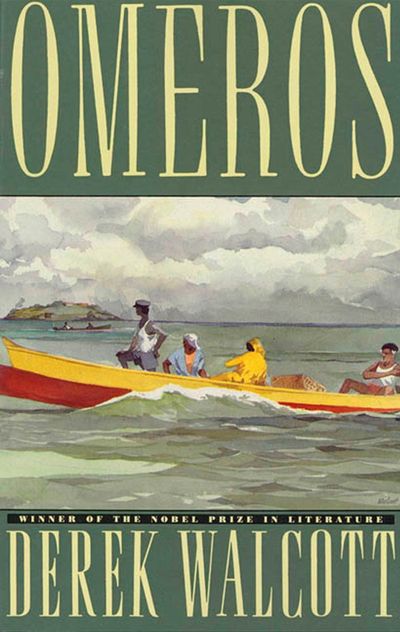
Homer's Odyssey, reborn in the Caribbean.
✦ READ – REFLECT → RESIST
Same pattern, different era
Different time, different place. The same thing keeps happening.
Nineteen Minutes
Jodi Picoult
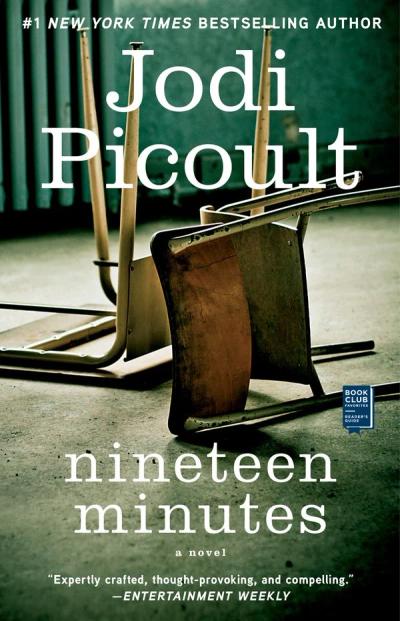
The novel that asks who made the shooter.
✦ READ – REFLECT → RESIST
Long Way Down
Jason Reynolds
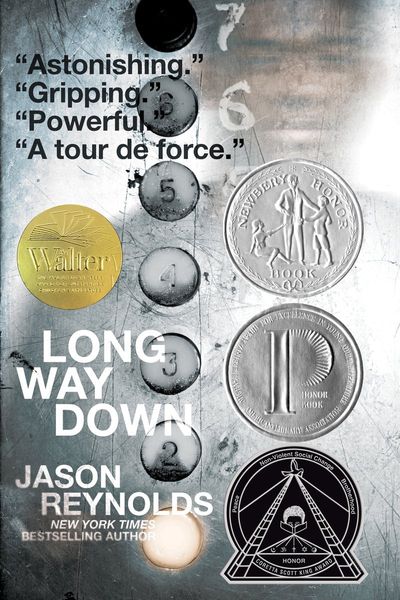
His brother was shot. He has a gun. The elevator goes down.
✦ READ – REFLECT → RESIST
The Autumn of the Patriarch
Gabriel García Márquez
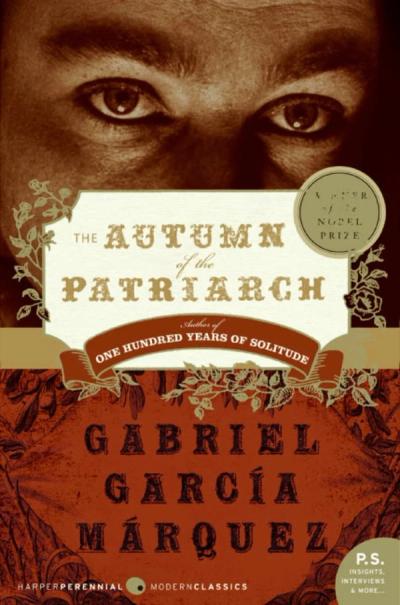
The dictator is so old nobody remembers before him. One sentence.
✦ READ – REFLECT → RESIST
C Street
Jeff Sharlet
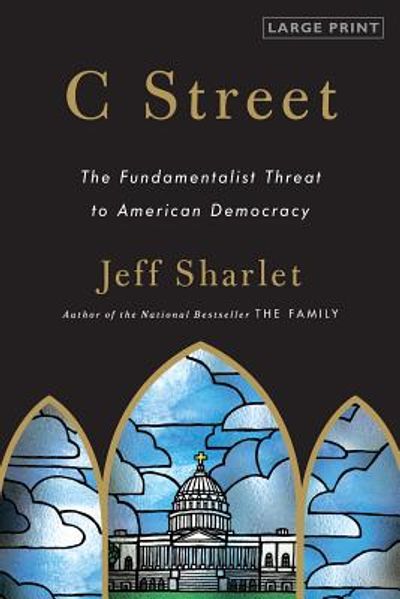
When Bible study runs the government.
✦ READ – REFLECT → RESIST