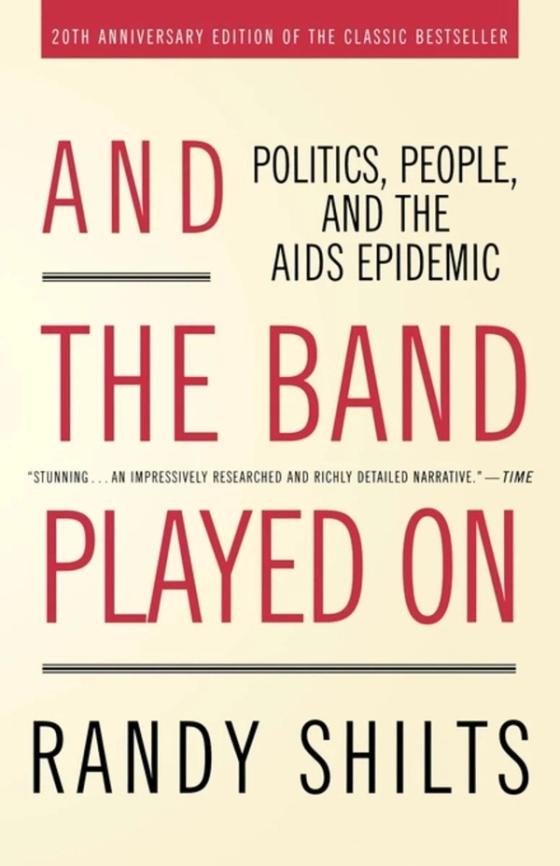
And the Band Played On
by Randy Shilts
AIDS was allowed to happen. Shilts spent five years proving it.
For you if
you want to understand how the AIDS epidemic became the scale of catastrophe it did — and who decided, at every level, that it wasn't their problem
⚡ Choose Your Route ⚡
Not sold directly on this site. Support indie bookstores with a new copy, or go sustainable with a used one.
Buy New on Bookshop.orgSupports independent bookstores
— OR —
Find Used on Better World BooksSecondhand & sustainable
$25 MSRP
Reference price shown. Other editions may be available.
Shilts's argument is stated in the premise: AIDS was allowed to happen. The virus was biological. The epidemic was political. While gay men were dying in San Francisco and New York, the Reagan administration refused to fund research, the CDC fought internally over resources, blood banks resisted testing for financial reasons, and the mainstream media mostly looked away because the people dying were gay. Shilts, the first openly gay journalist at a major American newspaper, spent five years and over a thousand interviews building the most comprehensive account of institutional failure ever documented — the federal government putting budget ahead of lives, health authorities placing political expediency before public health, scientists choosing prestige over urgency. He handed in the final manuscript and immediately tested positive for HIV. He died of AIDS in 1994 at 42. The biography is inseparable from the book. Some of Shilts's specific claims — particularly around the 'Patient Zero' narrative — have been disputed by epidemiologists since publication, and the 20th Anniversary edition should be read with that caveat in mind. What remains undisputed is the structural argument: that a government that had decided certain people's lives did not matter watched those people die and called it nobody's fault. The companion to The Deviant's War on the shelf — that book shows the state persecuting gay people, this one shows the state watching them die.
Where This Book Lives
- Setting
- North America
- Voice
- Written by a North America author
- Topics
- aids epidemic



Related Viewing
Shares a topic, theme, or setting with this book in the catalog.
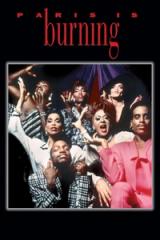
Paris Is Burning(1990)
dir. Jennie Livingston
Found family and voguing, before the words existed.
New York's 1980s Black and Latino drag-ball scene — its houses, its mothers, its competitions — documented from deep inside the community over seven years of filming.
Why it’s here: Ballroom culture as chosen family and radical self-invention, from people the world outside had already tried to write off — worth knowing going in that its authorship (a white outsider filmmaker) has been its own real critical conversation since release, one bell hooks and others engaged directly. Watch it alongside that conversation, not instead of it.
Same event, different angle
The same history — told by someone who saw it differently.

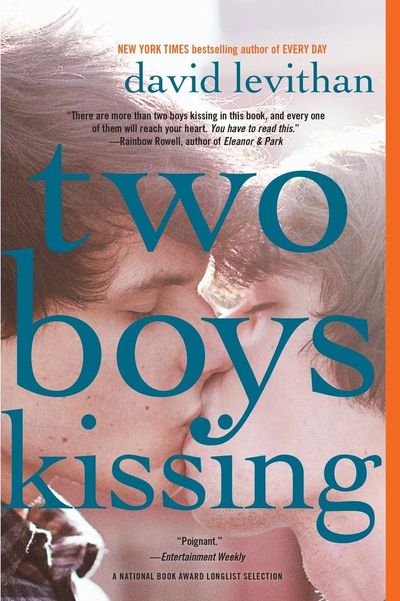
Same pattern, different era
Different time, different place. The same thing keeps happening.
Know My Name: A Memoir
Chanel Miller

She took her name back from the case.
✦ READ – REFLECT → RESIST
Nineteen Minutes
Jodi Picoult
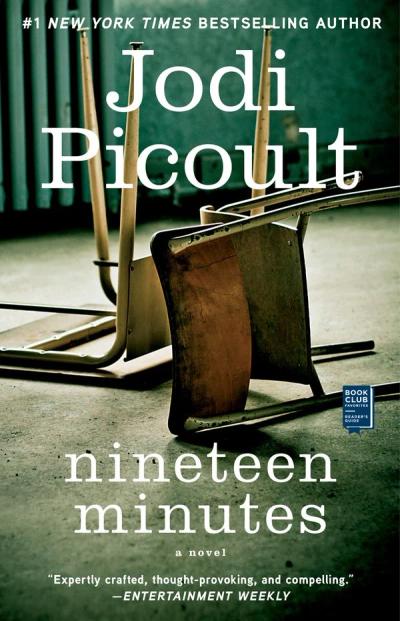
The novel that asks who made the shooter.
✦ READ – REFLECT → RESIST
Sexual Citizens: A Landmark Study of Sex, Power, and Assault on Campus
Jennifer S. Hirsch & Shamus Khan

Not a few bad men. A system that works.
✦ READ – REFLECT → RESIST
For the family bookshelf
Same idea, written for a younger reader. Good for reading together.