
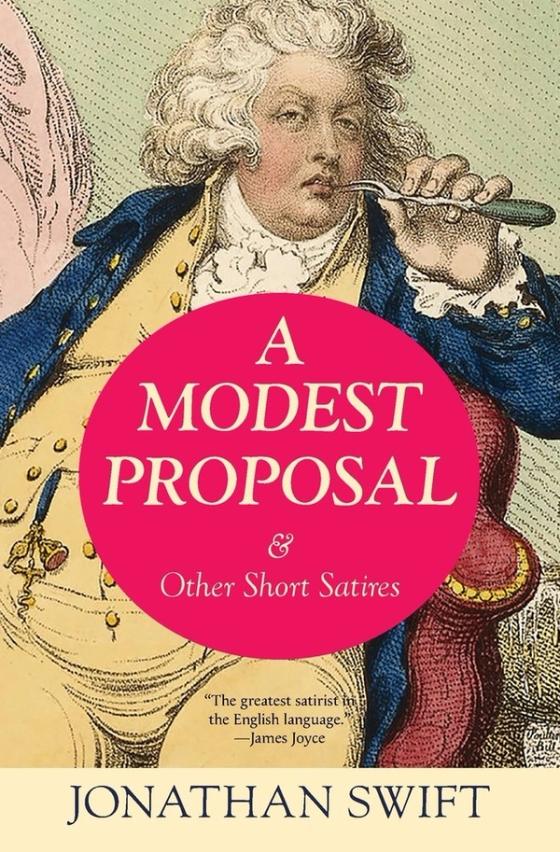
A Modest Proposal
by Jonathan Swift
Eat the babies. Swift's ten-page masterclass in satire.
For you if
you want to understand how satire actually works — how adopting the enemy's logic and following it to its conclusion is more devastating than attacking it directly
⚡ Choose Your Route ⚡
Not sold directly on this site. Support indie bookstores with a new copy, or go sustainable with a used one.
Buy New on Bookshop.orgSupports independent bookstores
— OR —
Find Used on Better World BooksSecondhand & sustainable
$10 MSRP
Reference price shown. Other editions may be available.
Swift published this in 1729 in the flat, reasonable tone of a policy document: a practical solution to Irish poverty in which the poor sell their babies as food to the English rich, with careful calculations of cost per pound and suggestions for preparation. The English establishment banned it. Swift was threatened. The pamphlet is ten pages long and contains the complete instruction manual for political satire — how the adoption of the enemy's own language and logic, pushed to its conclusion, exposes that logic more completely than any direct attack could. Every satirist from Voltaire to Vonnegut to the writers of Look Who's Back and Yesteryear on this shelf learned something from how this works. The foundational text for teaching children to make satirical work — not because it is old and canonical but because it is perfect, and perfection in craft is the best possible teacher. The most economical punk act in the catalog: ten pages, one argument, four hundred years of influence.
Where This Book Lives
- Themes
- political critiquesatire
Related Viewing
Shares a topic, theme, or setting with this book in the catalog.
The Importance of Being Earnest(2002)
dir. Oliver Parker
Two men, two lies, one name: Ernest.
Two Victorian bachelors each invent a fictional alter ego named "Ernest" to escape their obligations, until both fictions collide with the women they're courting — who each insist on marrying a man named Ernest. Adapted from Oscar Wilde's play.
Why it’s here: Punk in weaponizing wit against Victorian propriety — every double life and invented relative is Wilde mocking a society obsessed with appearing respectable rather than being honest. Pedagogical in showing how absurd social rules reveal themselves once you refuse to take them seriously.
The Tin Drum(1979)
dir. Volker Schlöndorff
A boy who refuses to grow up in a country that won't.
Born in Danzig in 1924 with an adult intellect, Oskar decides to stop growing at age three and watches, tin drum in hand, as Germany slides into Nazism and war. Adapted from Günter Grass's Nobel-adjacent novel.
Why it’s here: Punk in its total commitment to a surreal metaphor — Oskar's stunted body becomes a mirror for a society arresting its own moral development under fascism. Pedagogical, with a real caveat around its content, in using grotesque satire to indict complicity rather than heroism.
Same pattern, different era
Different time, different place. The same thing keeps happening.
The Resistible Rise of Arturo Ui
Bertolt Brecht
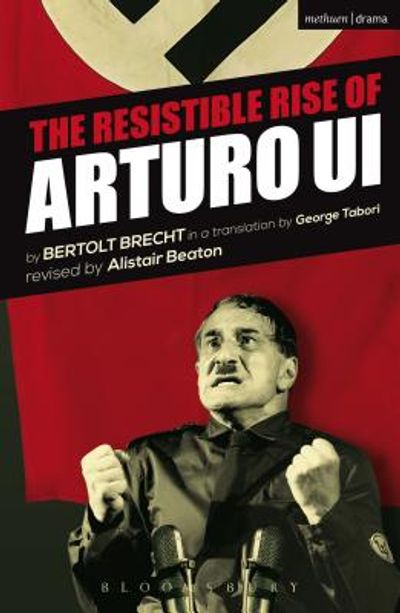
Fascism, but make it vaudeville.
✦ READ – REFLECT → RESIST
Wicked: The Life and Times of the Wicked Witch of the West
Gregory Maguire
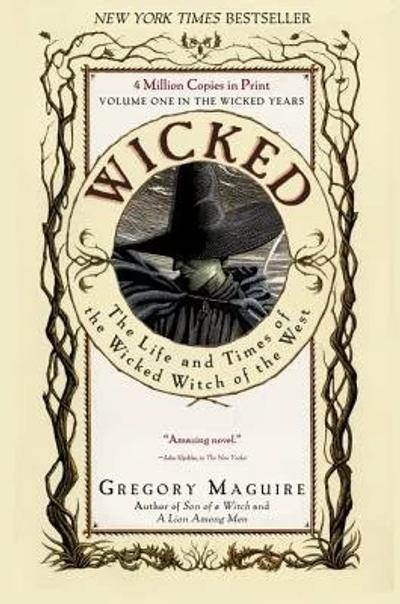
The villain was just the one who saw through it.
✦ READ – REFLECT → RESIST
The Sellout
Paul Beatty
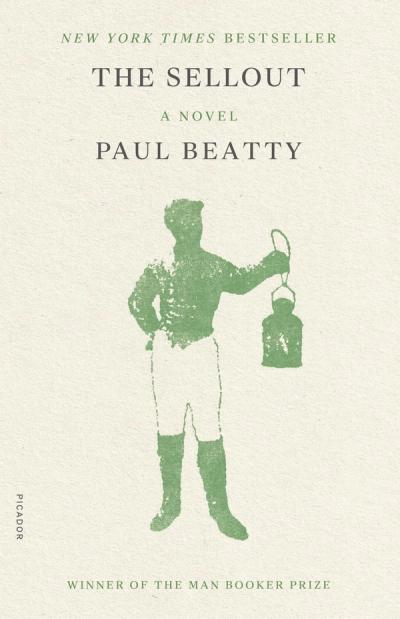
America’s racial absurdity, roasted.
✦ READ – REFLECT → RESIST
The Daily Show (The Book)
Chris Smith & Jon Stewart
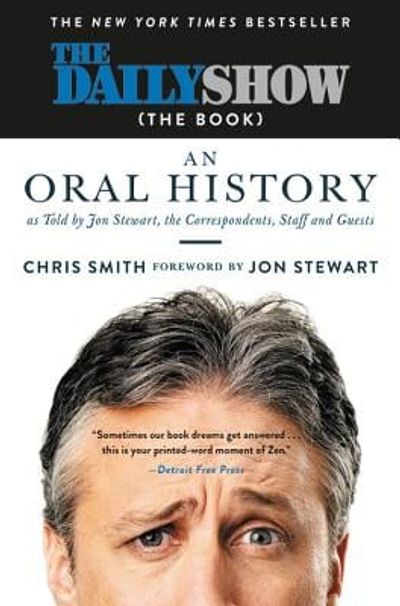
Fake news before it was cool.
✦ READ – REFLECT → RESIST