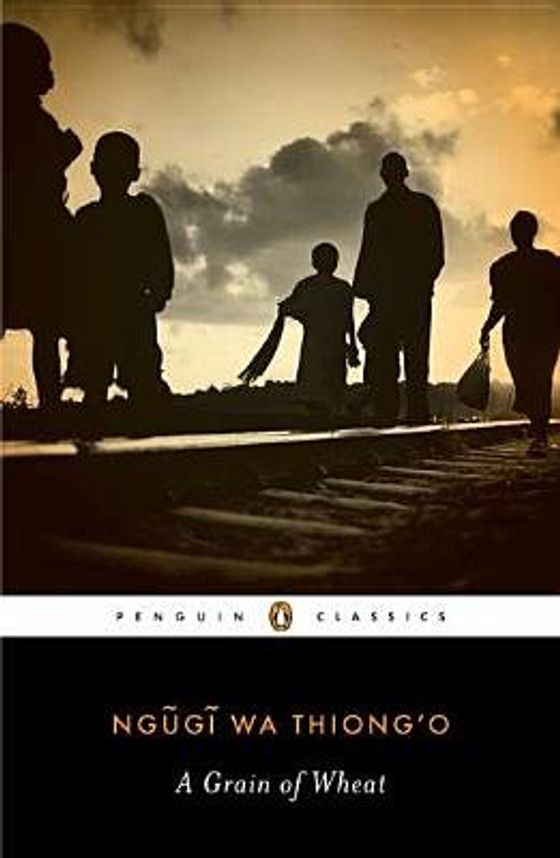
A Grain of Wheat
by Ngũgĩ wa Thiong'o
Independence week. Everyone's keeping a secret.
For you if
you want to understand what the Mau Mau rebellion actually cost the people who fought it
⚡ Choose Your Route ⚡
Not sold directly on this site. Support indie bookstores with a new copy, or go sustainable with a used one.
Buy New on Bookshop.orgSupports independent bookstores
— OR —
Find Used on Better World BooksSecondhand & sustainable
$18 MSRP
Reference price shown. Other editions may be available.
Four days before Kenyan independence in 1963, a village prepares to celebrate — and everyone in it is carrying a betrayal. Ngũgĩ structures the novel like a series of confessions, moving between the present and the Mau Mau years, slowly revealing what people did to survive colonialism and what that survival cost them. The most politically mature Kenyan novel ever written. A dispatch about the gap between the story a liberation movement tells about itself and the messier truth of how people actually behave under impossible pressure.
Where This Book Lives
- Setting
- Kenya • East Africa
- Voice
- Written by a Kenyan author
Related Viewing
Shares a topic, theme, or setting with this book in the catalog.

Earth(1998)
dir. Deepa Mehta
A child's-eye view of a nation splitting apart.
In 1947 Lahore, an eight-year-old girl from a wealthy Parsi family watches her beloved nanny's circle of Hindu, Muslim, and Sikh friends turn on one another as Partition tears the city apart. Adapted from Bapsi Sidhwa's novel Cracking India.
Why it’s here: Punk in filtering Partition's violence through a child's understanding rather than a historian's distance — Lenny watches trusted adults turn on each other seemingly overnight. Pedagogical in showing how quickly manufactured religious division can override decades of actual, lived friendship.
Half of a Yellow Sun(2013)
dir. Biyi Bandele
Twin sisters, one war, two impossible choices.
Twin sisters from a wealthy Nigerian family take very different paths in newly independent 1960s Nigeria, until the outbreak of the Biafran War forces politics into every corner of their private lives. Adapted from Chimamanda Ngozi Adichie's novel.
Why it’s here: Punk in refusing to let romance and betrayal upstage the Biafran genocide it's actually about — political catastrophe and private life collapse into each other. Pedagogical in showing how independence's promise curdled into ethnic war within a single generation.
Same pattern, different era
Different time, different place. The same thing keeps happening.
King Leopold's Ghost
Adam Hochschild
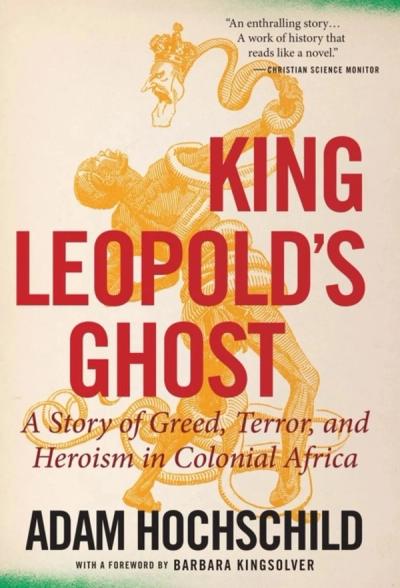
The most profitable atrocity in history. Documented.
✦ READ – REFLECT → RESIST
Out of Africa
Isak Dinesen
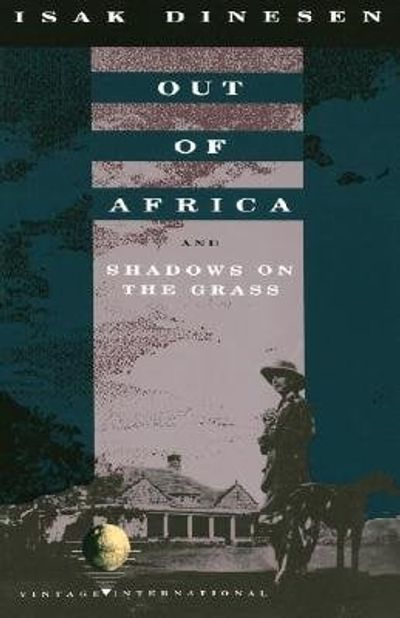
A colonist's love letter to the land she took.
✦ READ – REFLECT → RESIST
Smilla's Sense of Snow
Peter Høeg
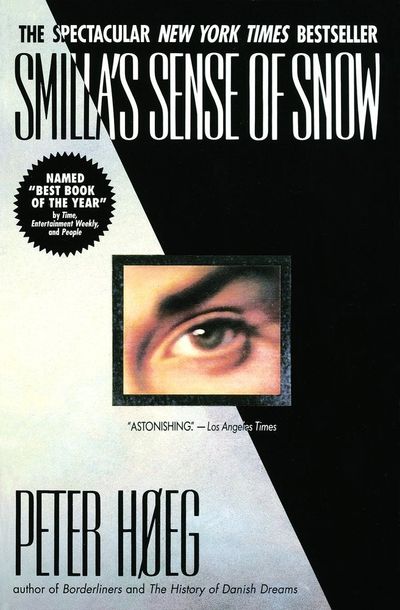
A half-Greenlandic woman investigates a child's death in Copenhagen.
✦ READ – REFLECT → RESIST
In the Castle of My Skin
George Lamming
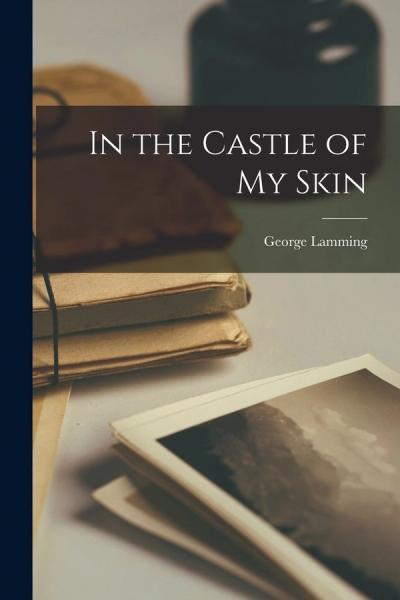
A Barbadian childhood, and colonialism arriving without announcement.
✦ READ – REFLECT → RESIST
Flip the lens
Same country. Now hear it from the other side.